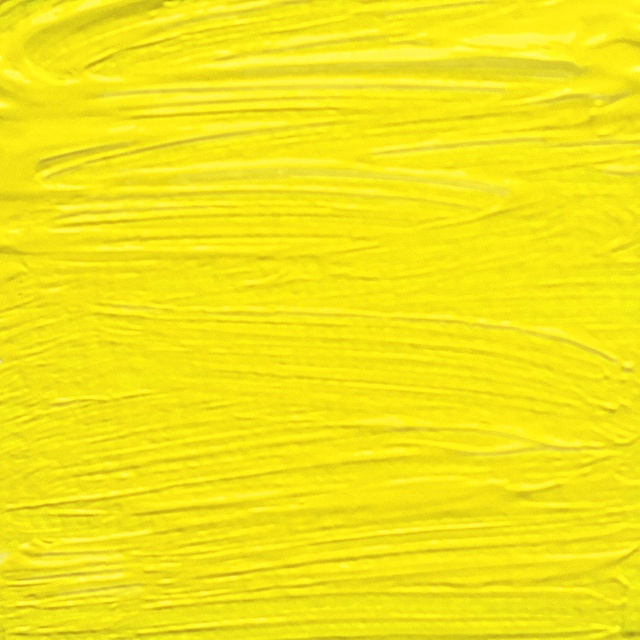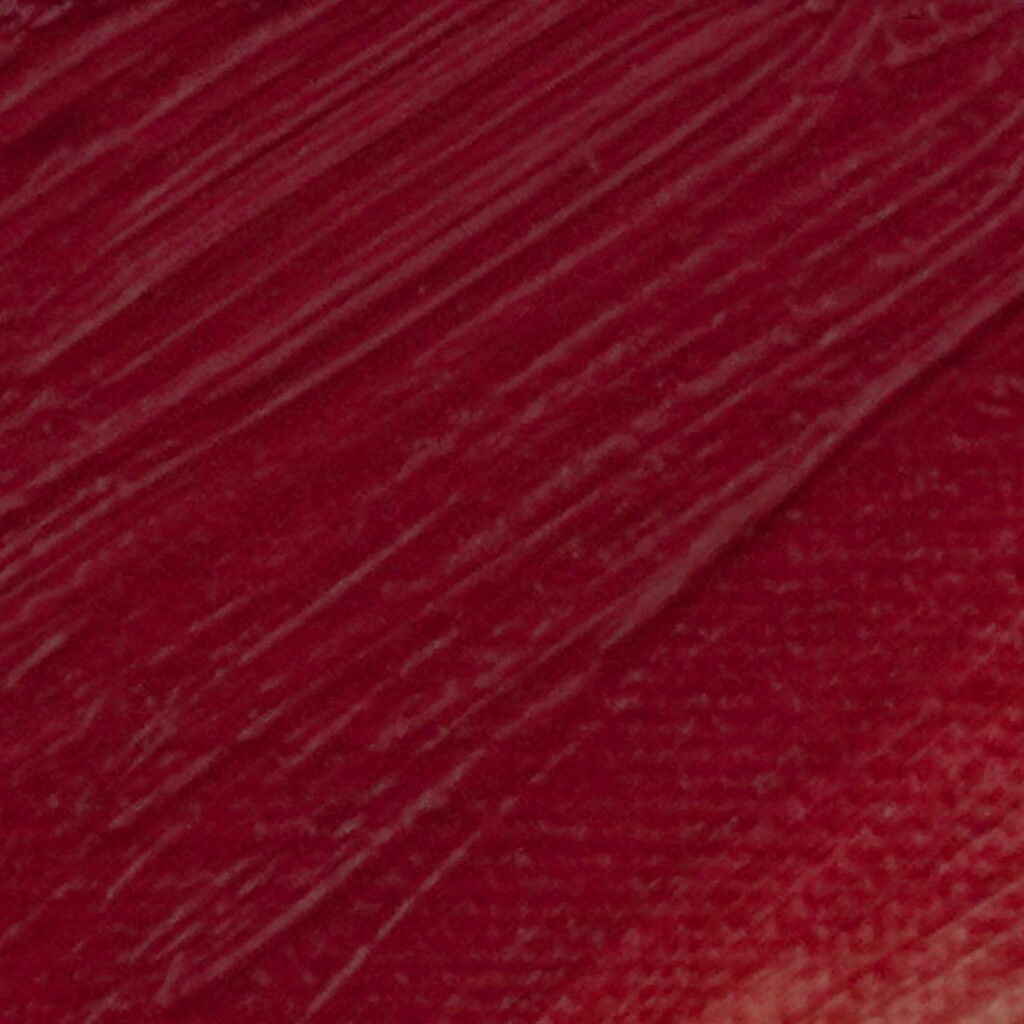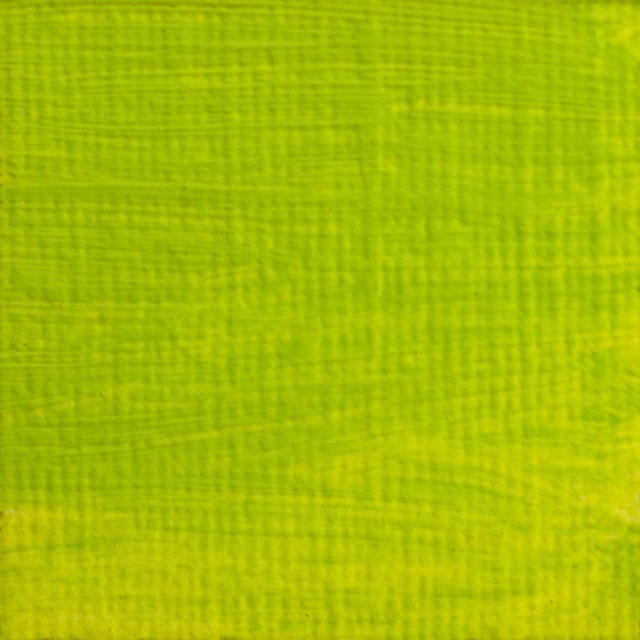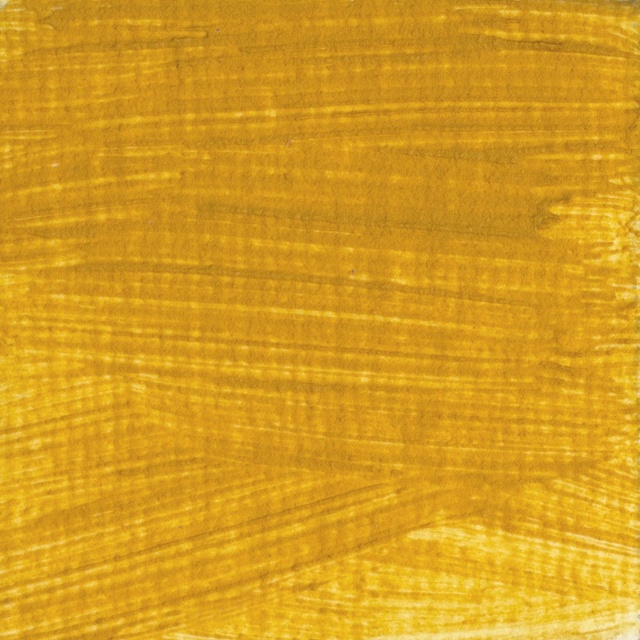



High performance professional-grade oil paint developed to excel in saturation of colour and physical handling qualities. Pure and concentrated with the fullest chromatic strength for intense tinting power for clean, brilliant colour-mixing. All paints are made without opacifiers or fillers that can interfere with the clarity and true brightness of the pigment.

Langridge Professional Oil Colours are an innovative colour range launched in 2014. This freedom from history allows us to build a unique colour range forged from the most recent innovations in pigment technology.

Available in 80 colours, each fits a unique colour space offering artists a comprehensive range of concentrated colour. The vast majority of colours within our range are constructed from single-pigments, for the purest chromatic performance.

Our palette offering is directly inspired by contemporary colour, with pigment options such as Nickel Azo, Quinacridone, Paliotan, Indanthrone, RTZ Orange, amongst others.

62 single-pigment colours provide maximum opportunities for the cleanest colour mixing. The 18 mixed colours are perfectly dispersed paints offering unique colour spaces not available from single pigment colours.

All colours are available in 40ml, 110ml and 300ml tube, litre and 4 litre tin.
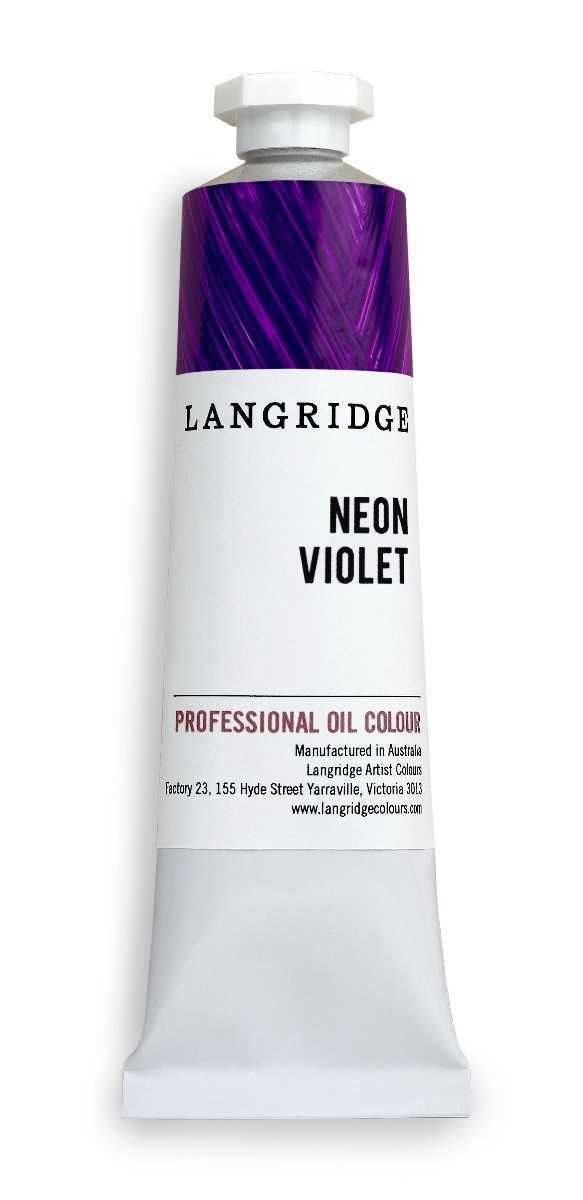
Oil Colour Chart

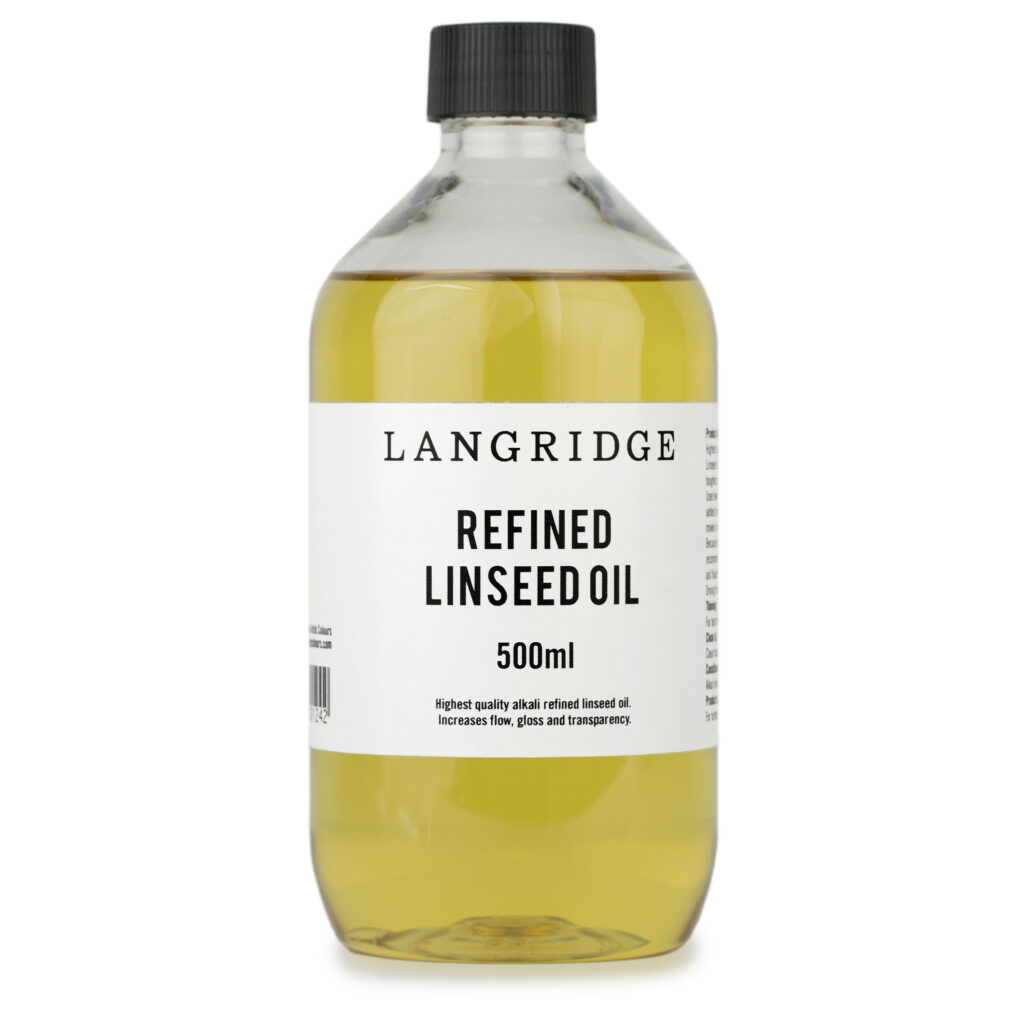
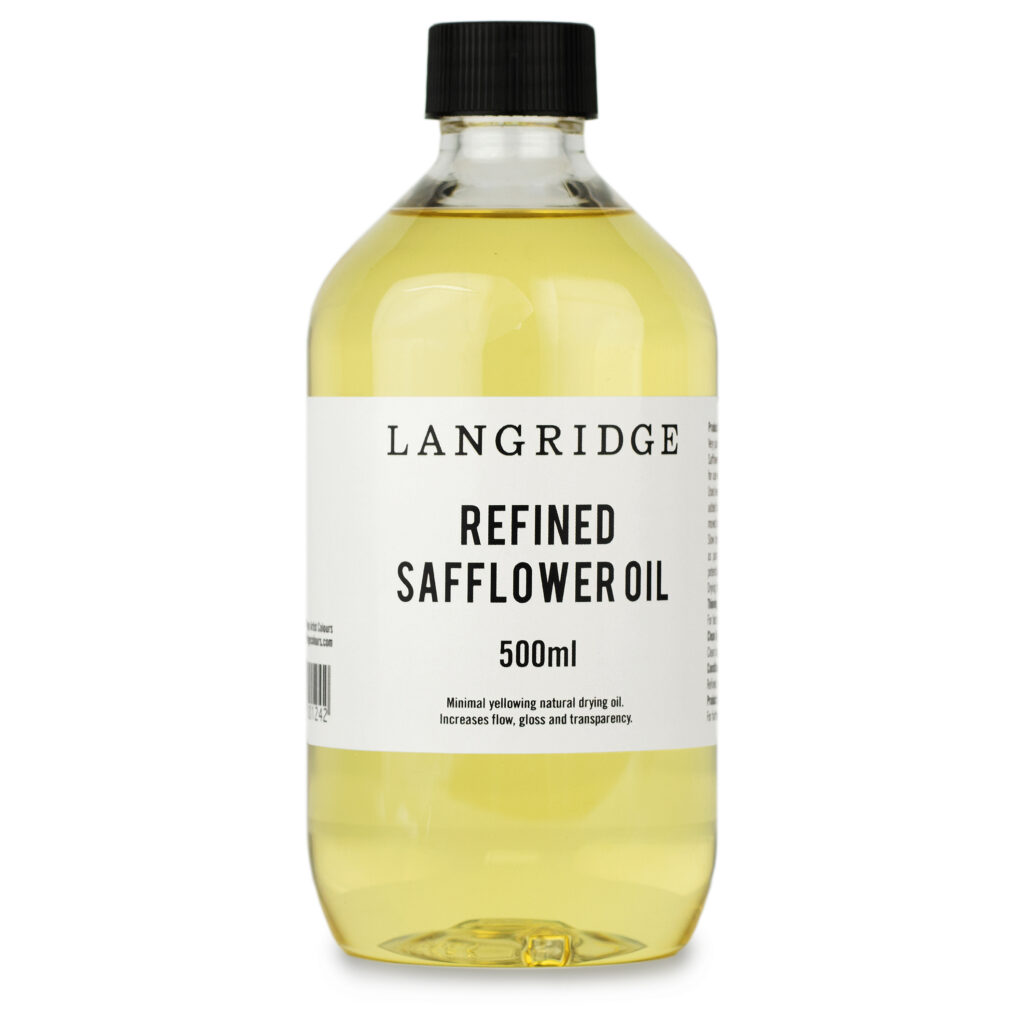
Drying oils act as agglomorating binders for artists’ oil paint and provide body to the brushstroke as the colours are spread out. Selection of the appropriate oil can alter the working quality of the paint.

Performance differences include paste consistency, texture, effect on paint shades, desired drying time and mechanical strength of the paint film. Oils dry by absorbing oxygen, turning into a solid, non-reversable film. Full film drying takes up to six months.

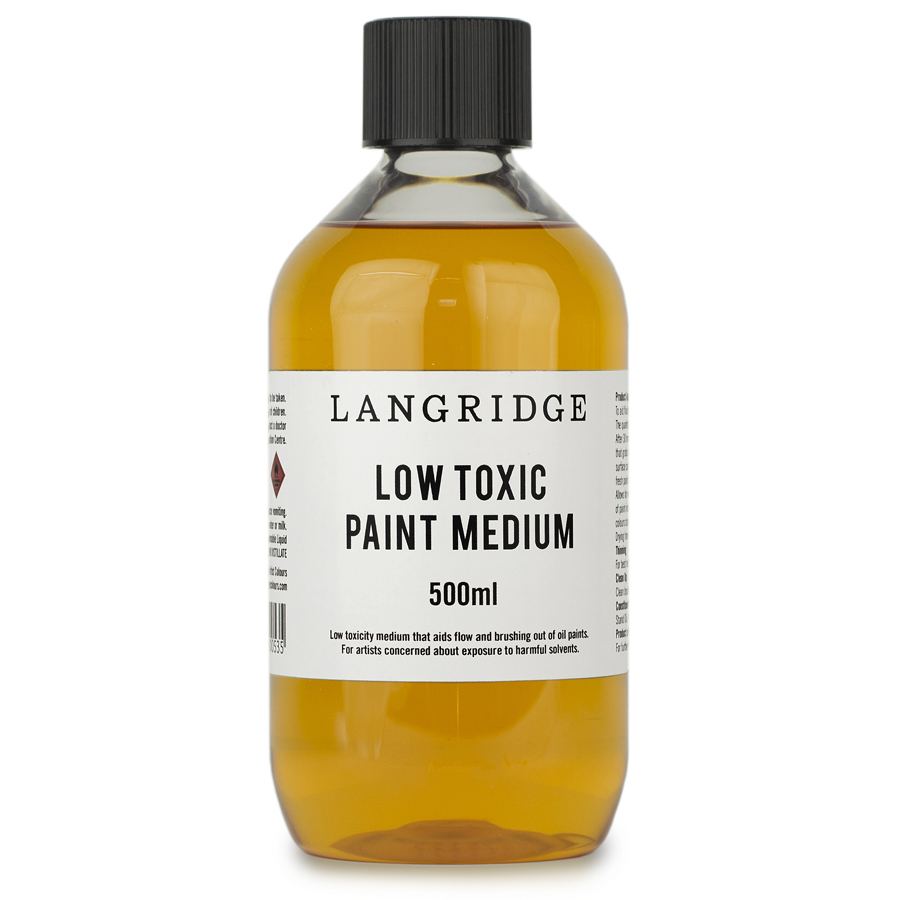
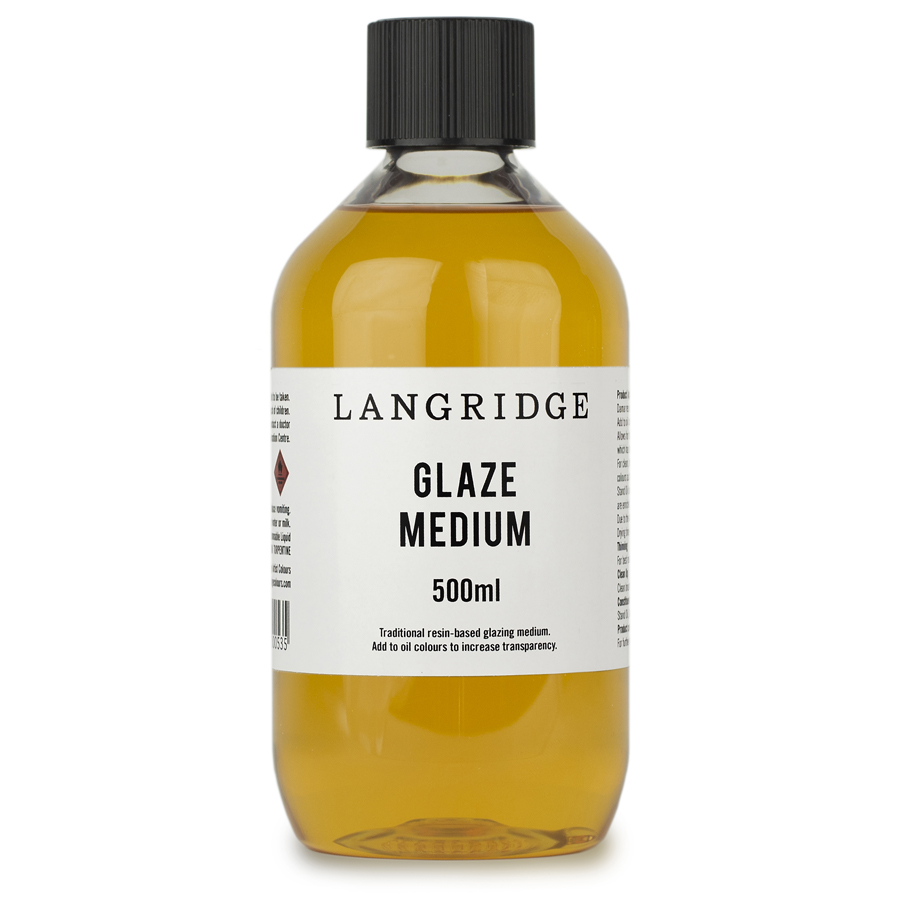
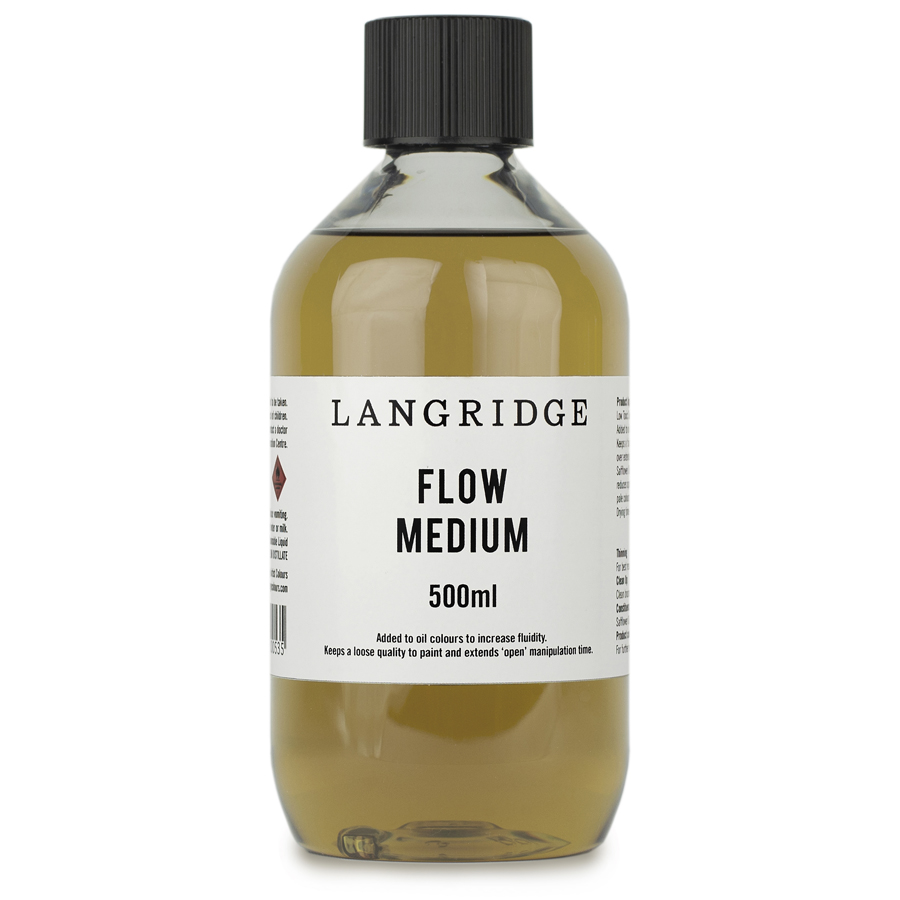
Fluid oil mediums are used for changing the consistency of the paint, rendering it more convenient for brushing or applying, or more suitable for the artists’ particular technique, which may require paint that is thinner, faster or slower drying, more matte or gloss reflection.
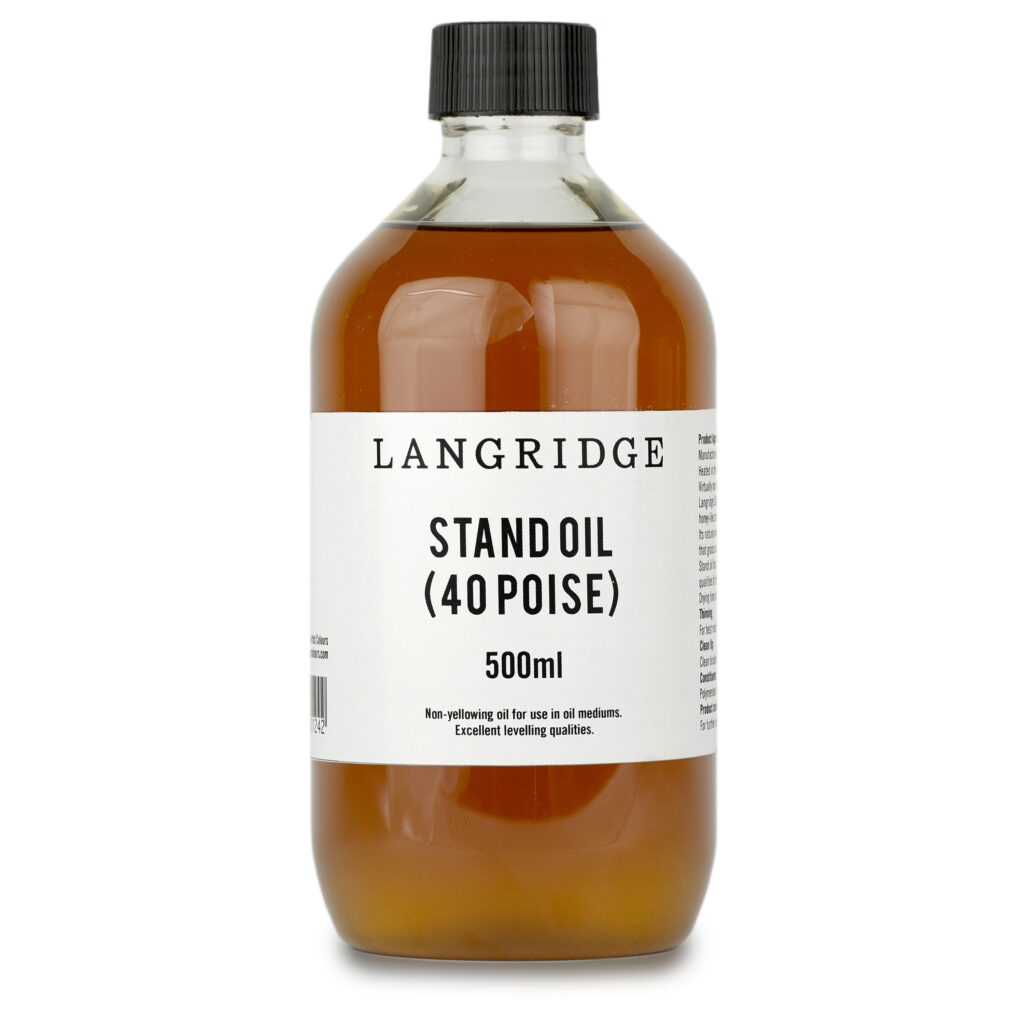
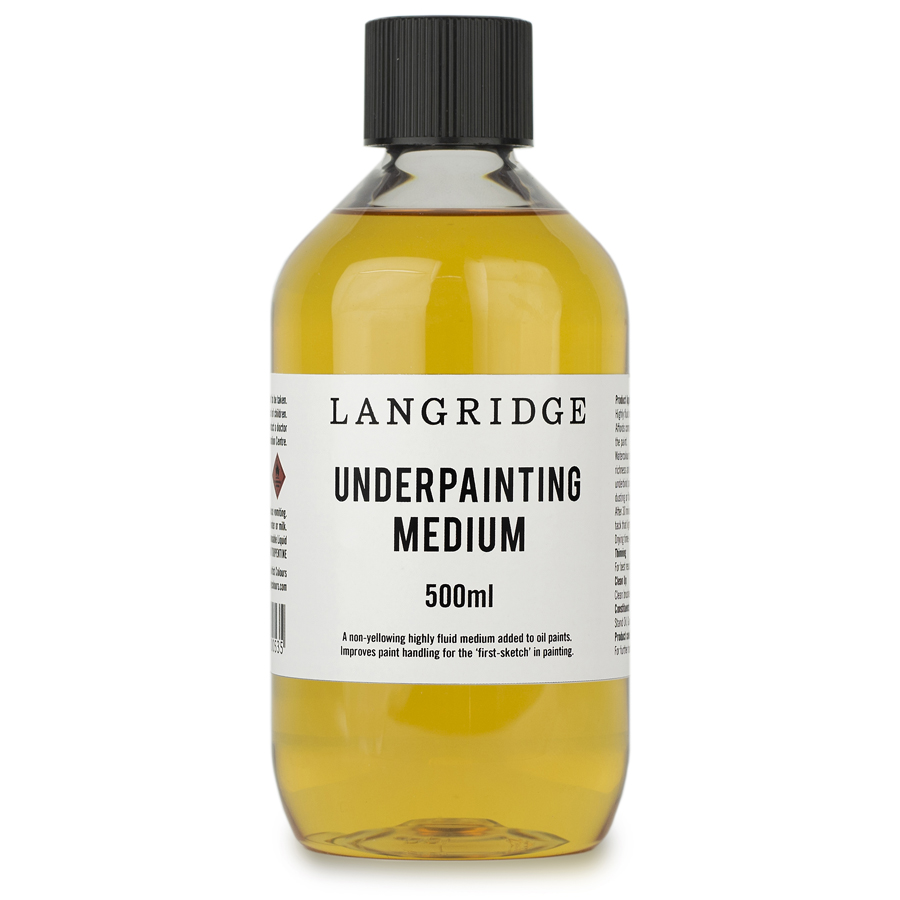
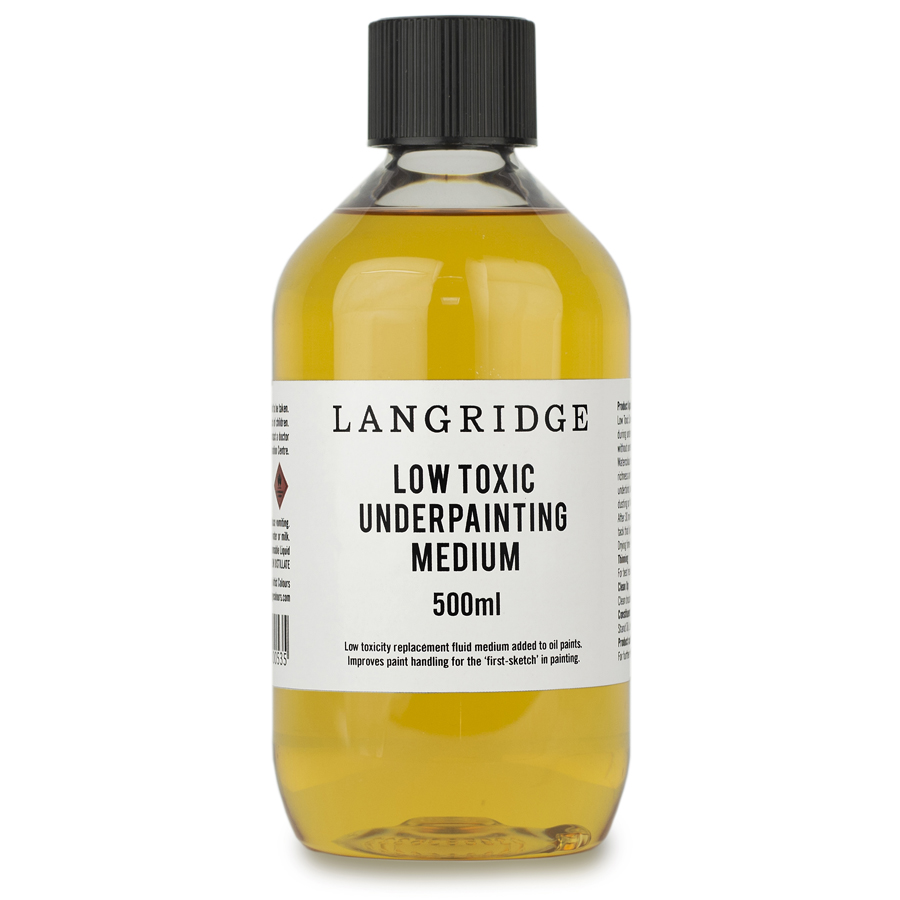
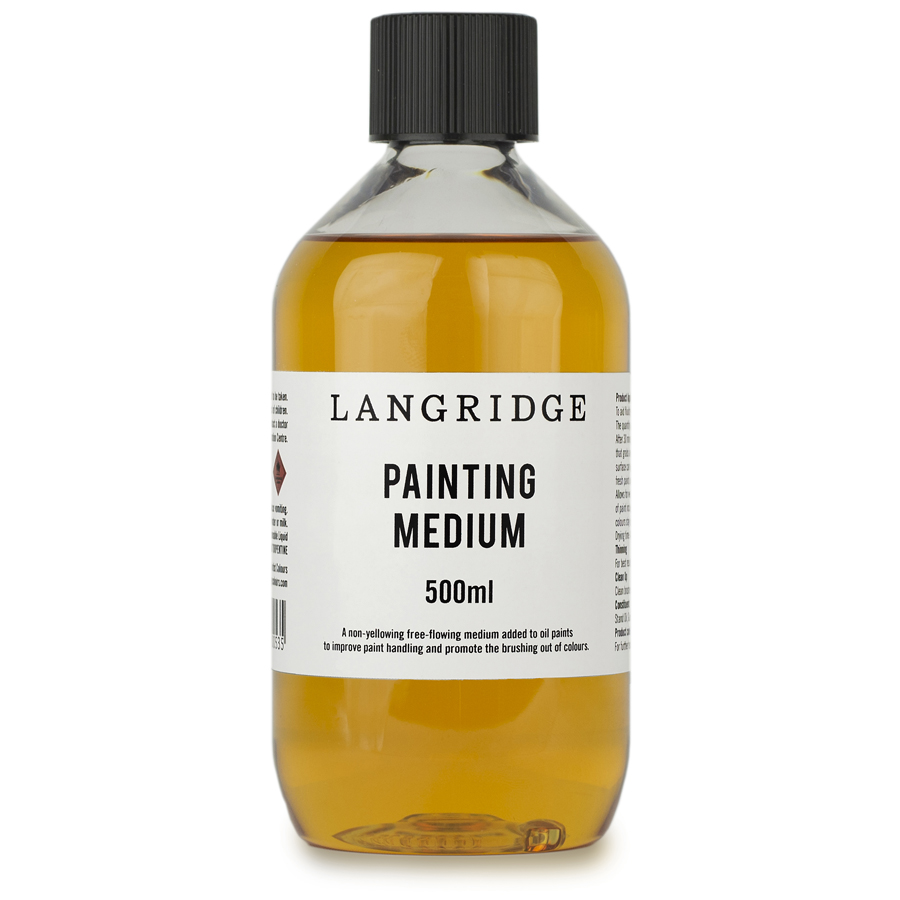
All Langridge Fluid painting mediums are based on non-yellowing Stand Oil or Safflower Oil. This results in mediums that can be added to artists oil colours, in any proportion, without fear of rapid discolouration of the final painting.
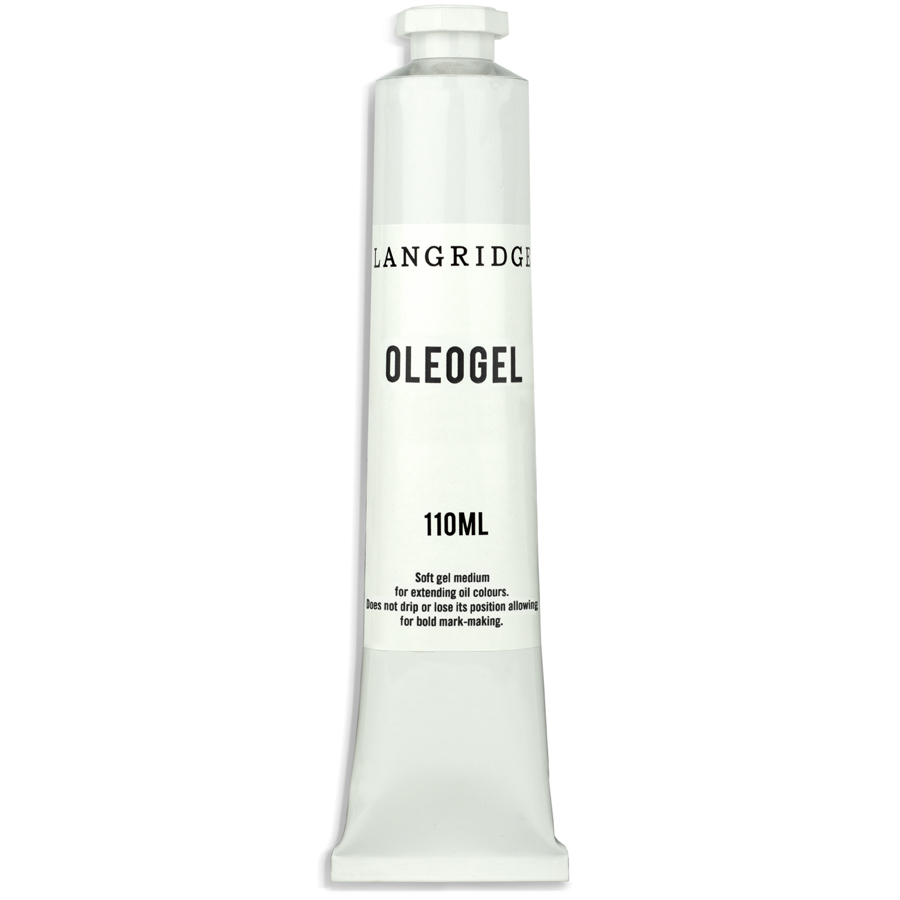
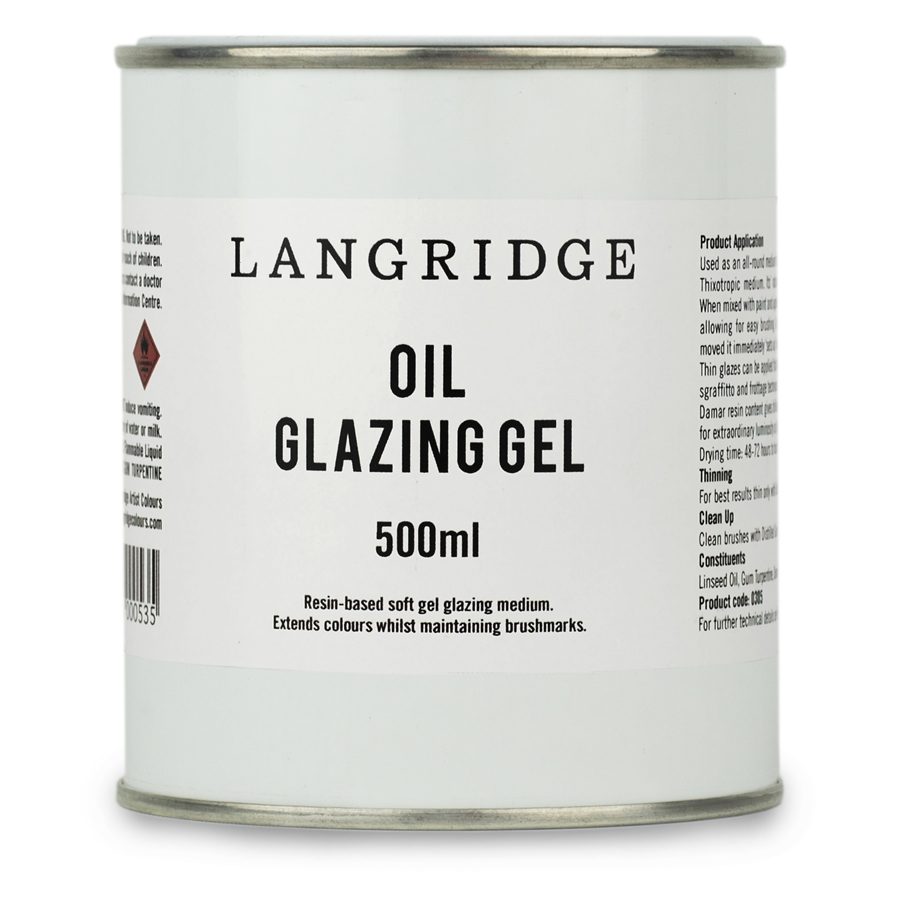
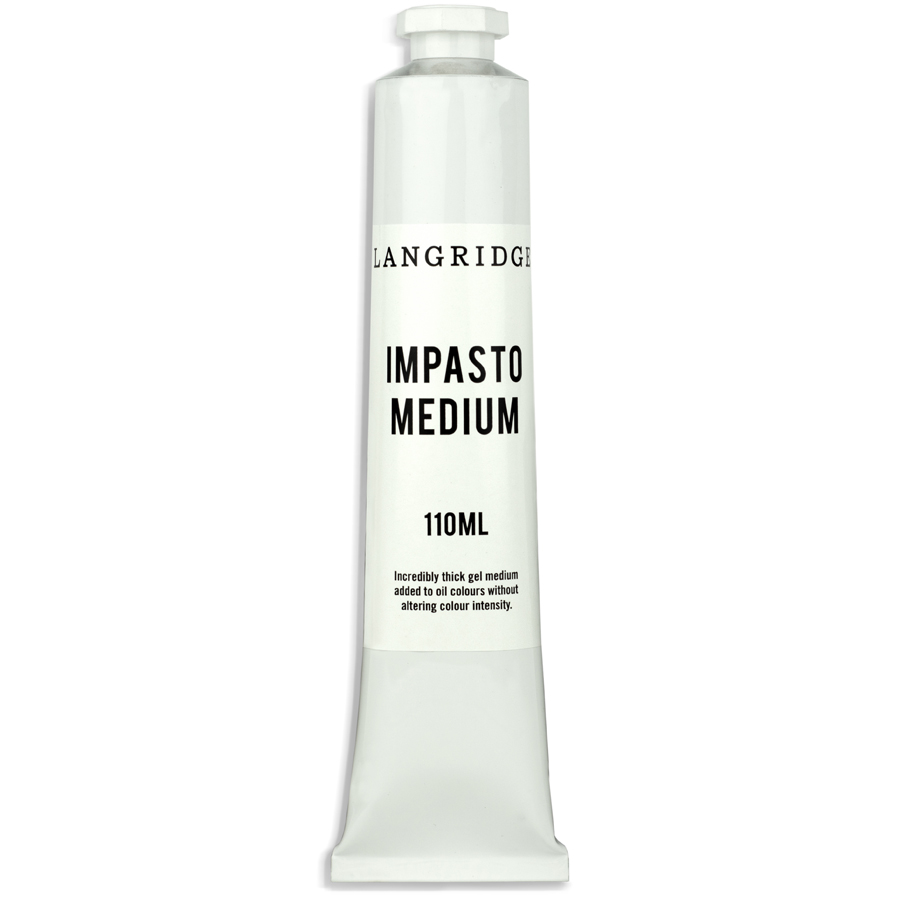
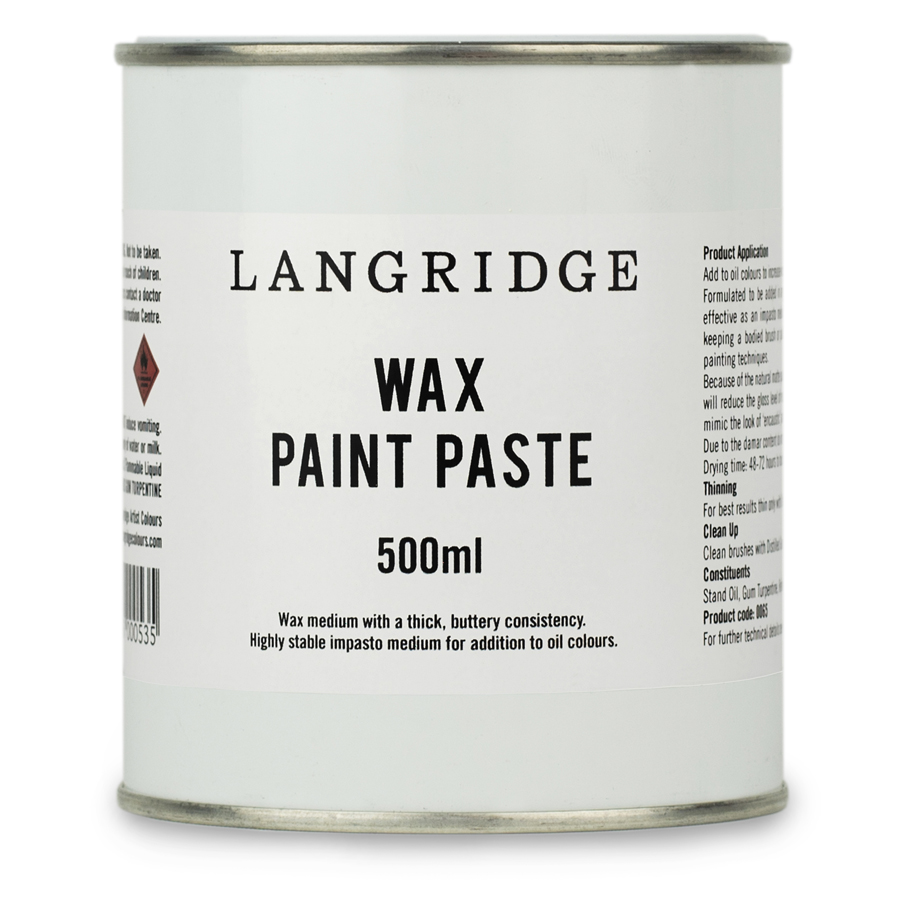
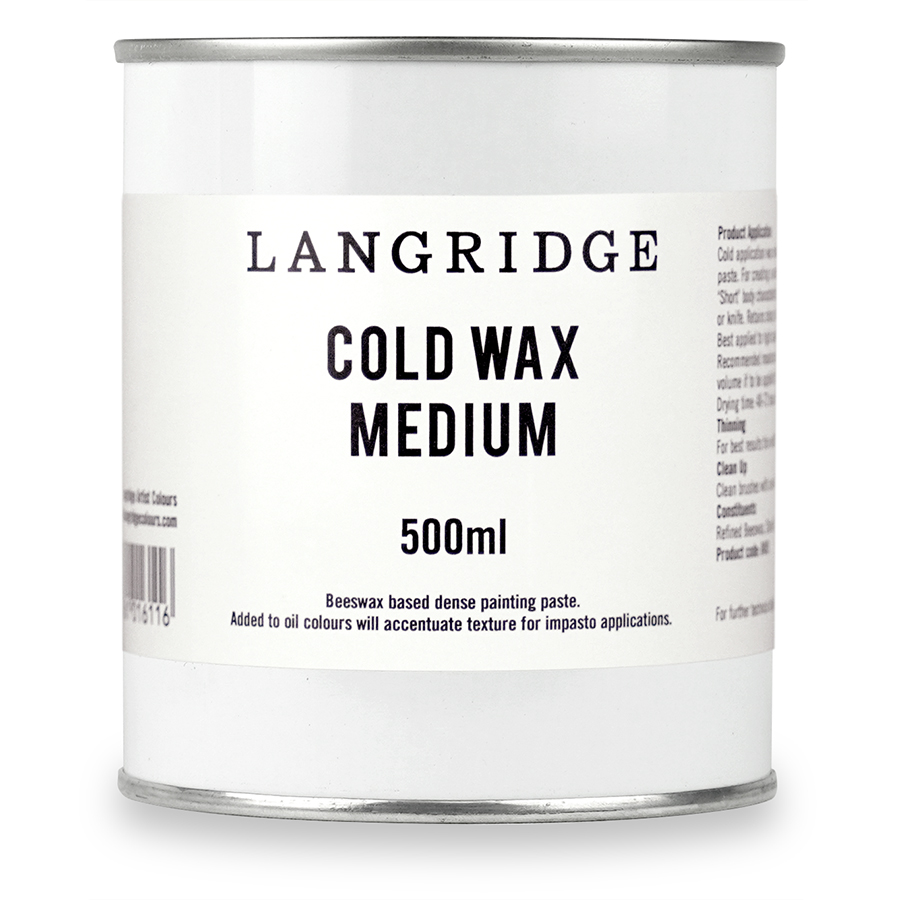
Bodied oil mediums are used for changing the consistency of the paint, to allow for the extending of oil colours or altering the flow making it more convenient for brushing-out without loss of control.

All Langridge bodied mediums are highly stable and built to provide ‘body’ whilst removing issues of wrinkling (surface crawl), splitting or cracking.

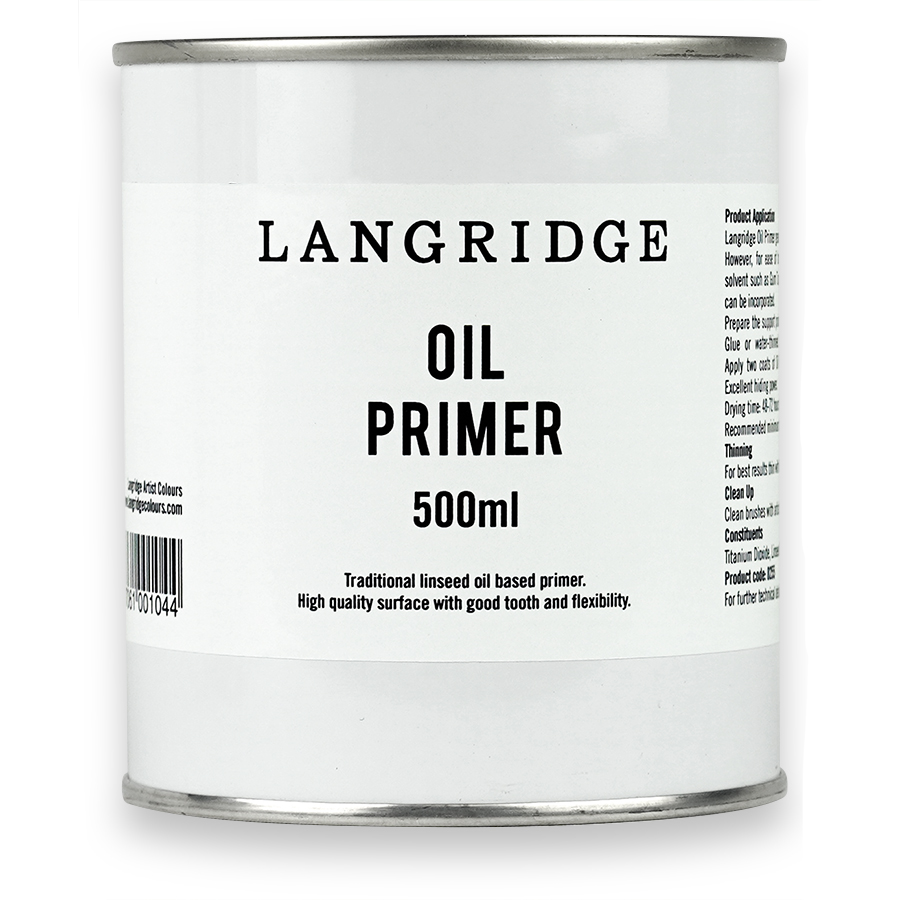
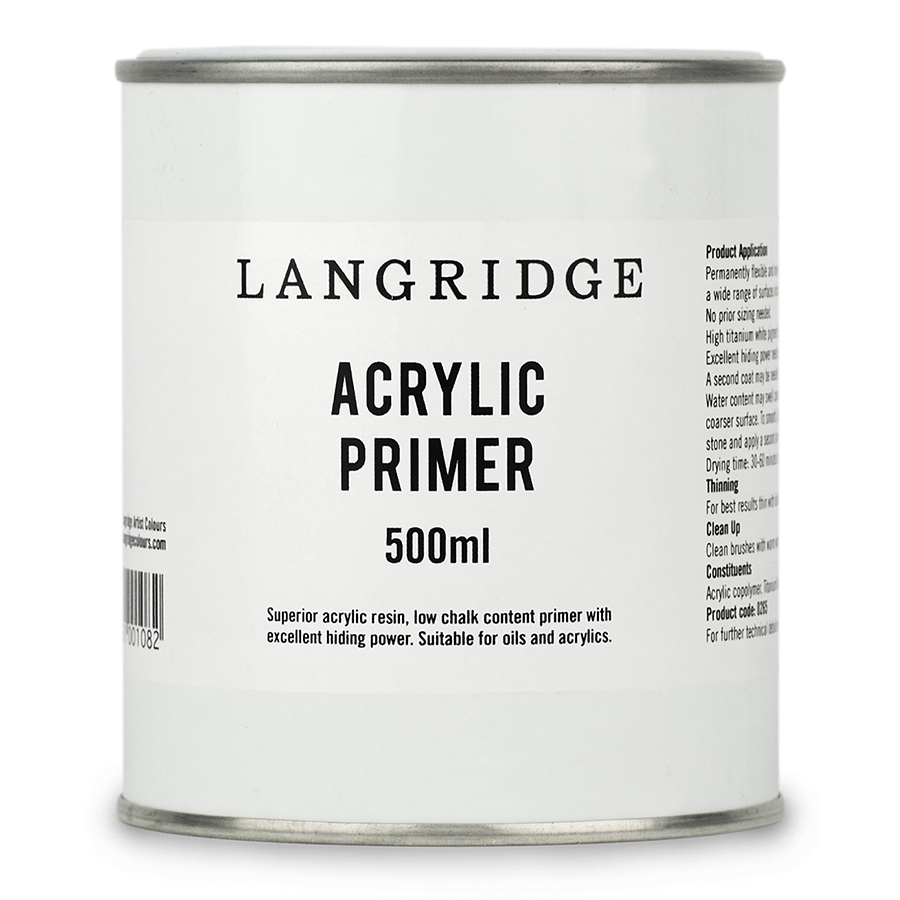
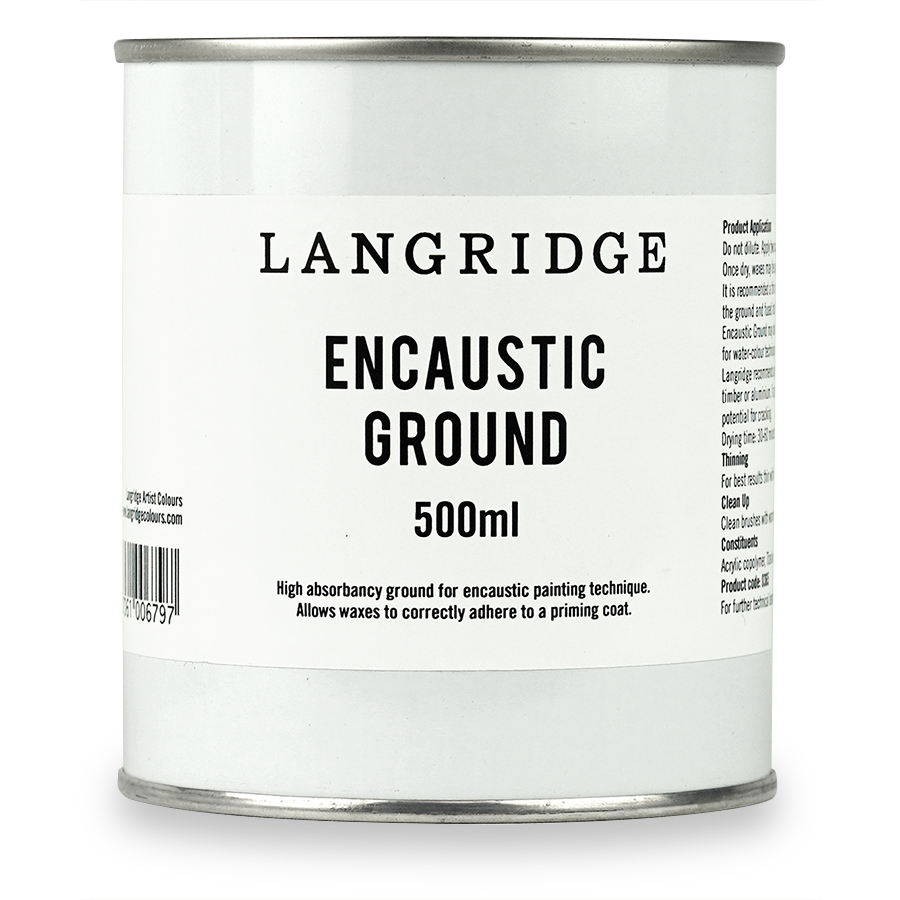
Primers are coats applied to the support to provide a desirable surface on which to paint. Most grounds are white to offer the brightest reflecting surface for light to act upon.
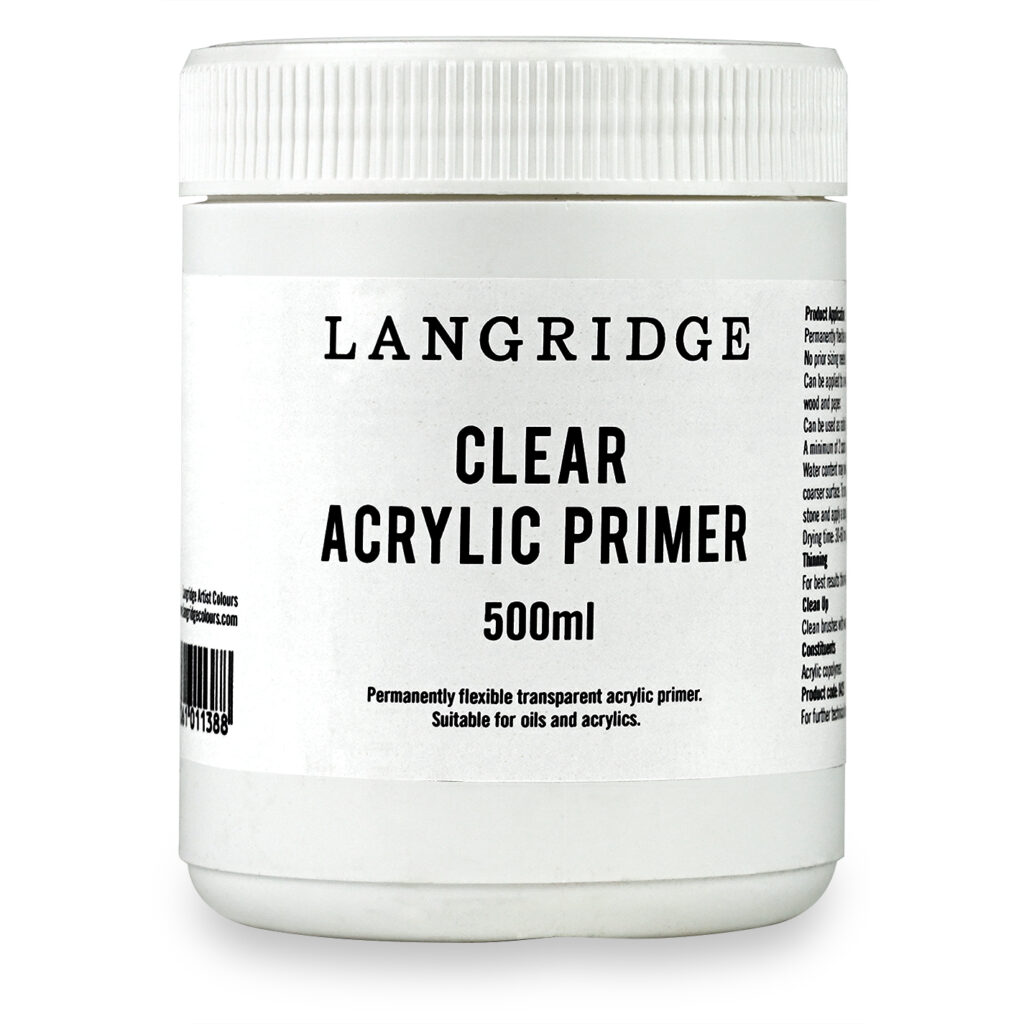
Acrylic primers can be painted directly onto raw canvas. Do not apply over glue sizing. Oil primers need to have a coat of glue size applied first to protect the raw canvas underneath.
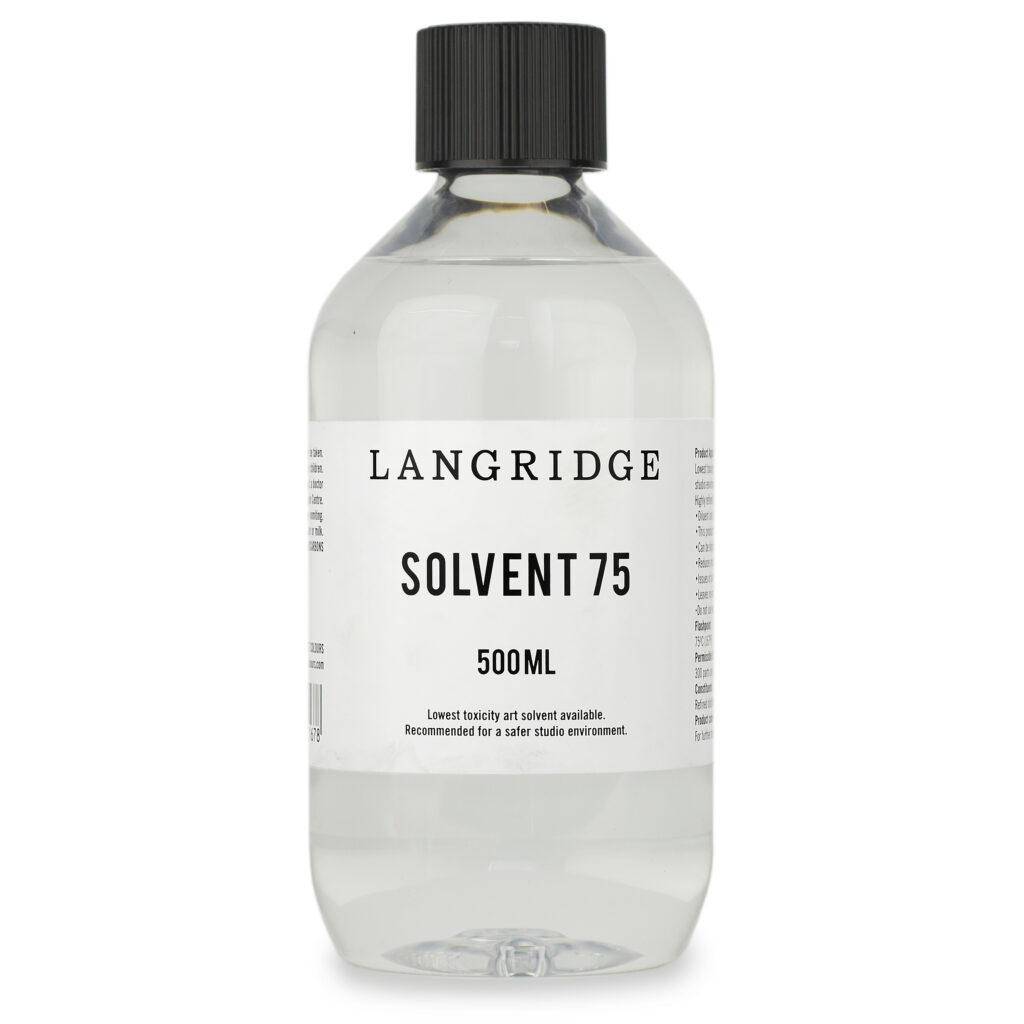
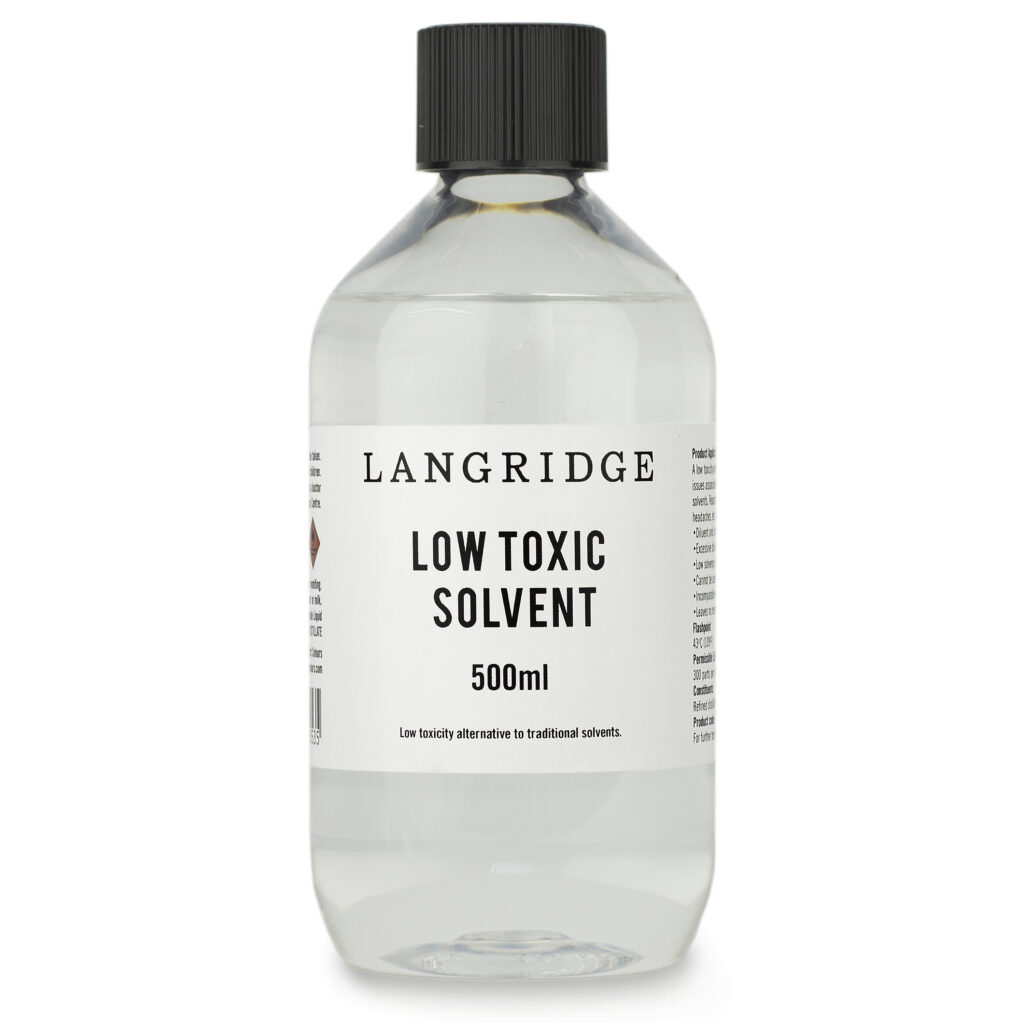
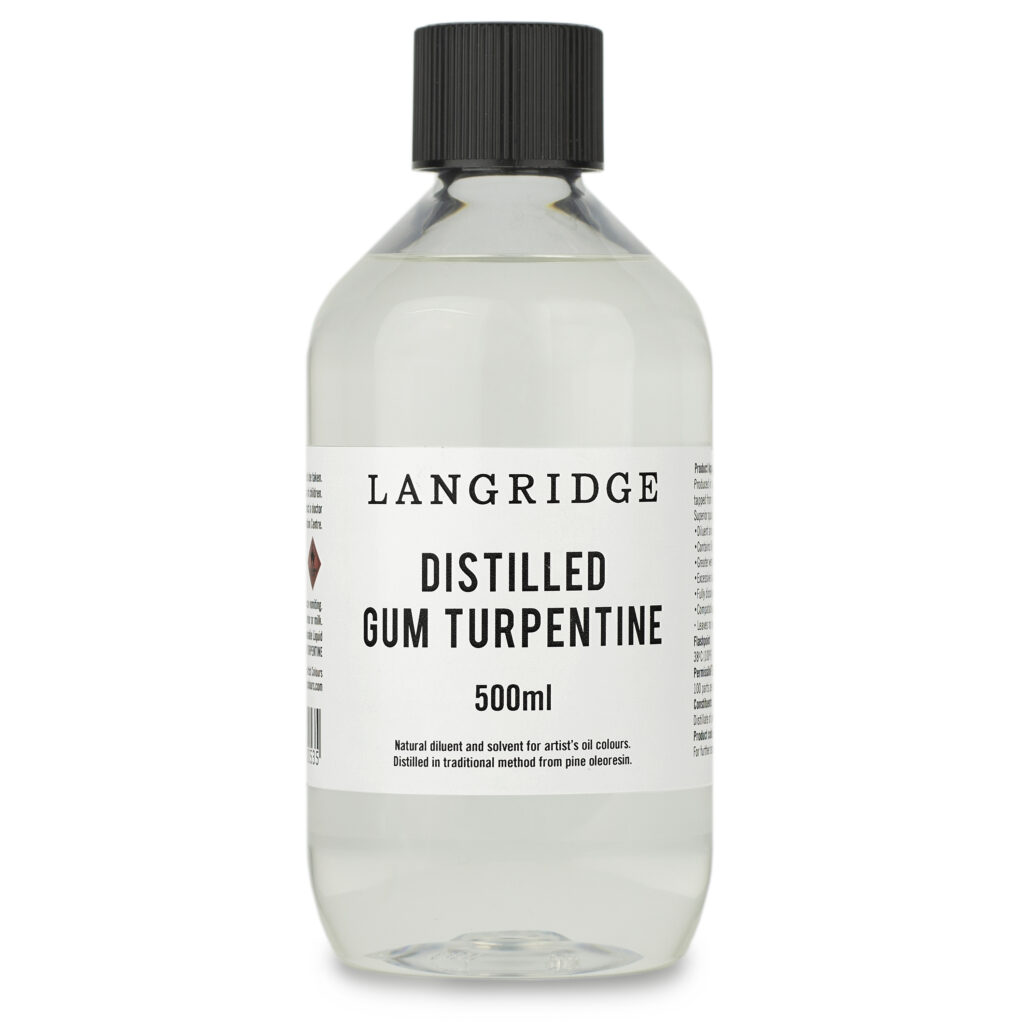
Solvents dissolve and mix with oils and resins to reduce the viscosity of paints and varnish.
They also also used for the removal of oils, paint and varnishes. Solvent performance in artist’s materials:

  • Must not react chemically with the materials with which they are mixed.
  • Does not have a destructive action on cured previous paint layers.
  • Should evaporate completely, leaving no residue.

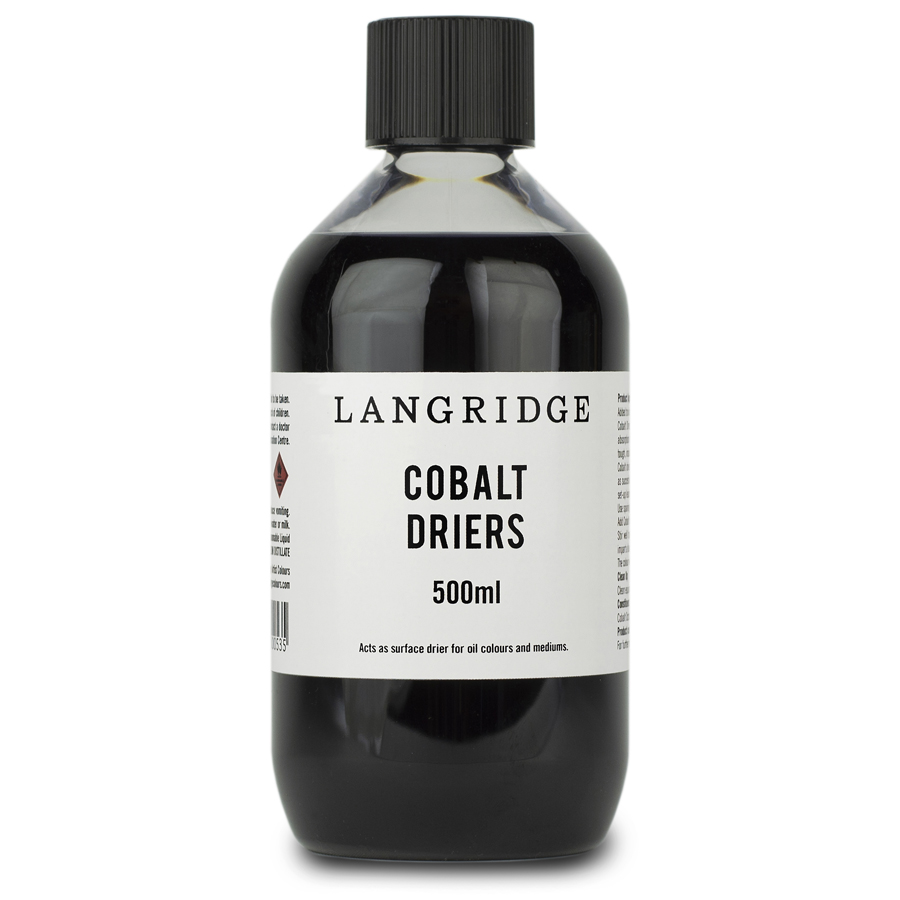
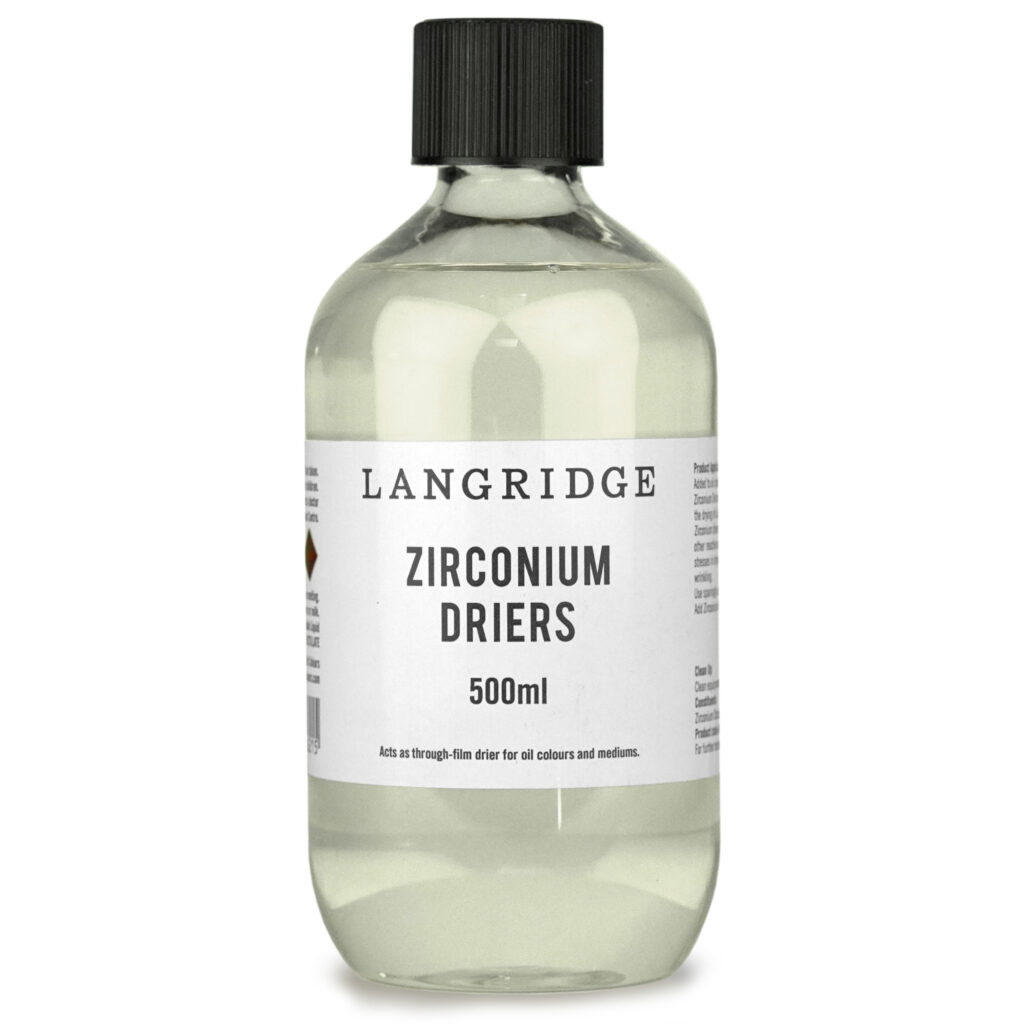
To be added to oil paint or mediums for altering the speed of drying. Siccatives accelerate the oxidisation and polymerisation of drying oils, especially useful for very slow drying colours.

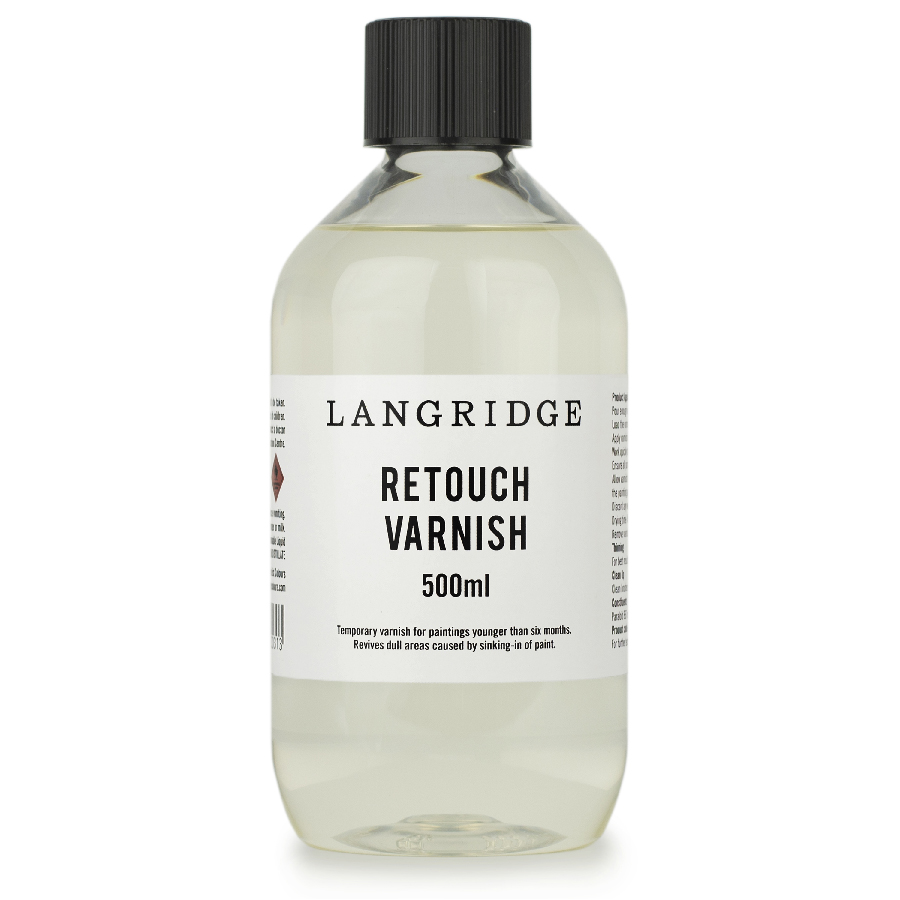
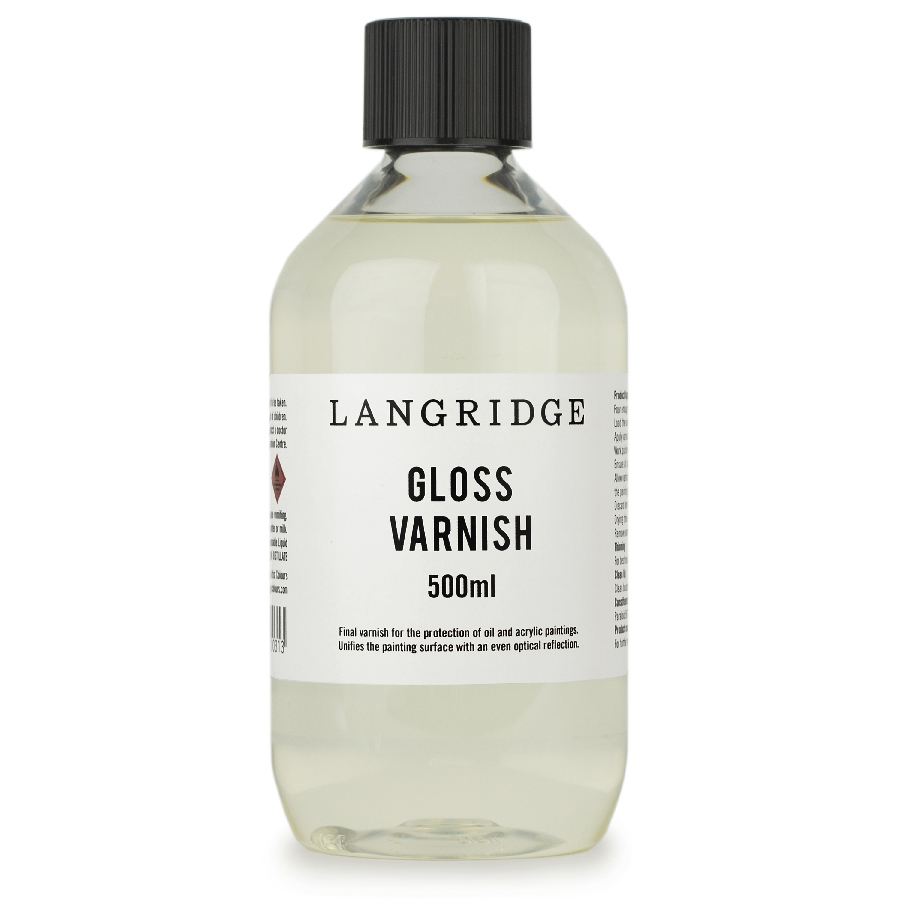
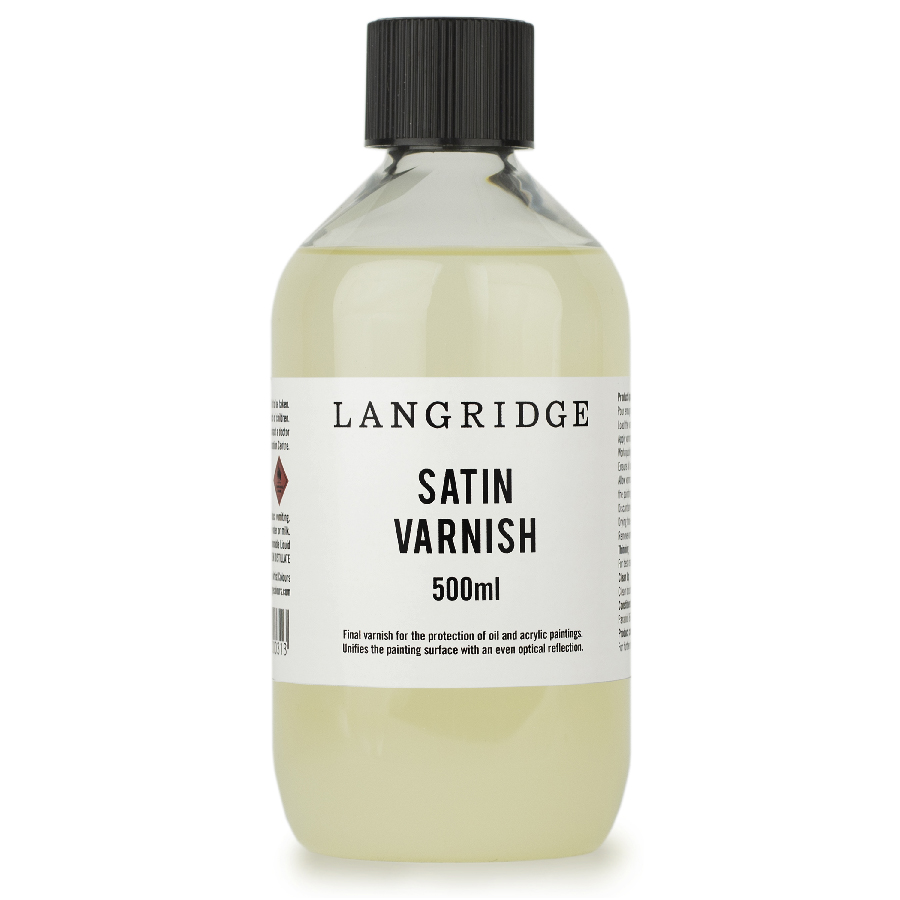
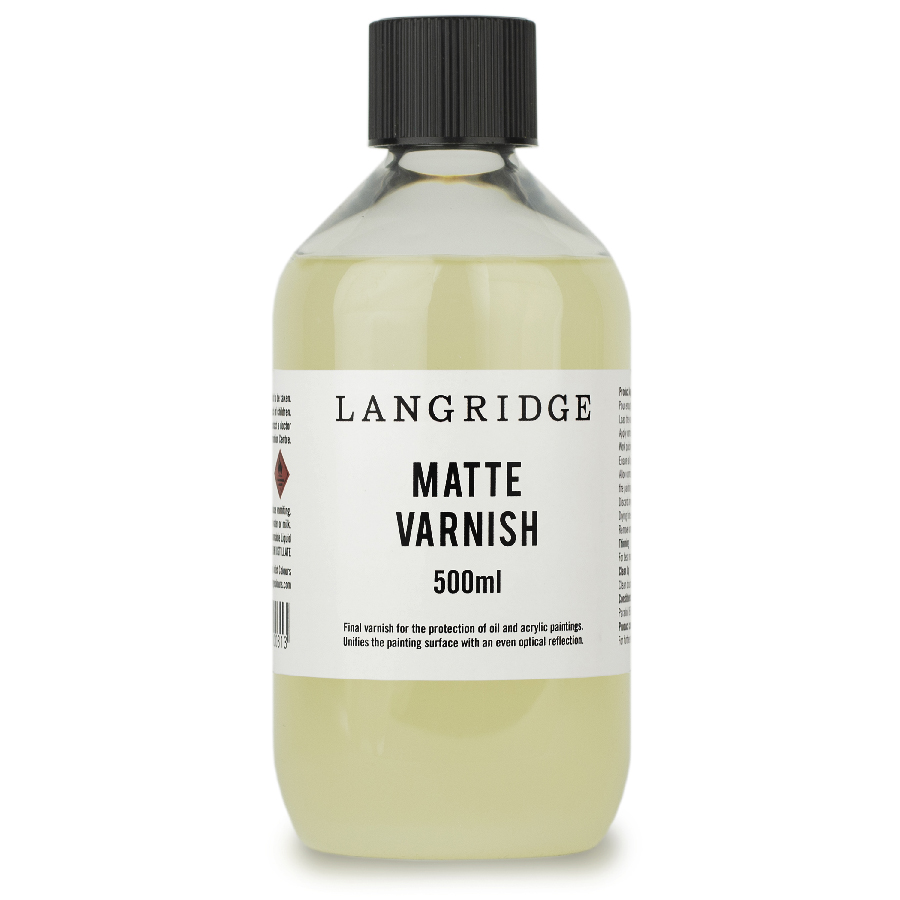
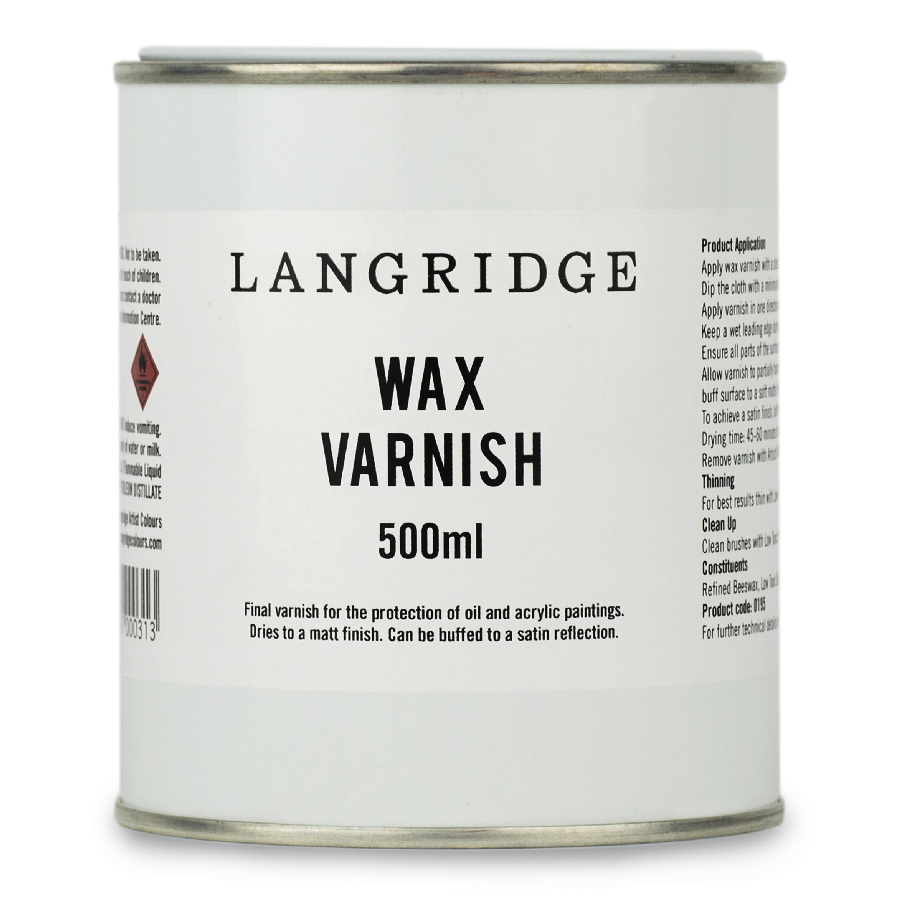
A varnish is used to protect the finished artwork. Picture varnishes perform the following functions:

  • Be fully removable without disturbing the oil paint film underneath.
  • Be resistant to moisture and general pollutants.
  • Create a complete film of even reflective quality.

It is the varnishes’ function to prevent dirt reaching the paint surface. It is much easier to remove a dirty varnish and replace that than to remove dirt from the oil painting itself, potentially damaging the paint-film.

Conservation science indicates that application of a final picture varnish aids in the prevention of destructive chemical exchanges occurring at the paint surface during the life of a painting.

Resins formulated in artist’s varnishes are very solvent specific. The incorrect use of solvents for dilution or removal may lead to stability issues. Use only the solvent as used in each varnishes’ formula (listed under constituent ingredients).

Langridge oil paint sets developed to allow artists to work with multiple colours built around a particular colour range. They offer a broad selection within a specific chemical class, historical period or chromatic range.

  • Excellent introduction to working with Langridge Professional Oil Colour.
  • Exploration sets that offer an economic option for trialling multiple colours.