



Cochineal

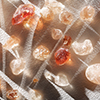
Cochineal is a natural red pigment derived from the dried bodies of the female Dactylopius coccus insect, which lives on nopal (Opuntia) cacti, primarily in Mexico and South America.
The pigment’s colour comes from carminic acid, a glycosylated anthraquinone compound, which serves as a chemical defense against predators. Its chemical formula is approximately C₂₂H₂₀O₁₃, and it forms carmine lakes when precipitated onto alum or other mordants for textile or artistic use.
Chemical and Technical Properties
Colour: Deep, vivid crimson; can range from scarlet to purple-red depending on mordant or medium.
Transparency: Semi-transparent; in watercolour or glazes, it produces luminous, layered tones. Lake pigments increase opacity.
Lightfastness: Moderate to good; generally rated ASTM II–III depending on formulation and exposure. Direct sunlight or high alkalinity can accelerate fading.
Solubility: Carminic acid is soluble in water; lakes are insoluble pigments formed with metallic salts.
Chemical Stability: Sensitive to high pH, sulphur, and strong oxidizing agents; stable in mildly acidic or neutral environments.
Mixing Properties:
Mixes cleanly with yellows to produce warm oranges.
With blues, produces soft purples or magentas.
Its semi-transparent nature allows layering over whites or other pigments for subtle tonal modulation.
Historical Use
Pre-Columbian Era: Cochineal was used in the Americas from at least 700 BCE by the Aztecs, Maya, and Inca to dye textiles. It was highly valued, rivaling precious metals in prestige.
European Introduction: After the Spanish conquest (1519), cochineal became a major export to Europe, where it replaced less vibrant reds such as kermes. It remained the dominant natural red pigment for textiles, food colouring, and artist lakes until the 19th century.
Industrial Decline and Revival: Synthetic red dyes of the mid-19th century (e.g., aniline reds) largely supplanted cochineal. Late 20th-century health concerns over synthetic food colourants led to a resurgence of cochineal in foods, cosmetics, and artisanal textile dyeing.
Cultivation and Pigment Production
Host Plant: Nopal cactus (Opuntia species).
Cultivation: Insects are reared on controlled plots or indoors; temperature ~27 °C is optimal. Predators and environmental stress are carefully managed.
Harvesting: Females are collected once mature, traditionally by hand or using compressed air; insects are sun-dried for preservation.
Processing: Dried insects are ground and processed into lakes or powders. Addition of alum or other metallic salts produces insoluble pigments with more robust handling properties for textiles and paints.
Applications
Textiles: Natural crimson dyes for cotton, wool, and silk; mordants adjust shade and fastness.
Artists’ Media: Watercolour, tempera, and lake pigments for oil (rare), prized for their translucency and luminous glazes.
Food and Cosmetics: Natural colourant for juices, sweets, liquors, and cosmetic formulations (e.g., lipsticks).
Cochineal is one of the most historically significant natural reds, combining chemical uniqueness with artistic versatility. Its translucency, vibrant chroma, and layering potential continue to make it a valuable pigment for traditional artists, while its non-toxic profile ensures relevance in modern food and cosmetic applications.