Woad dye

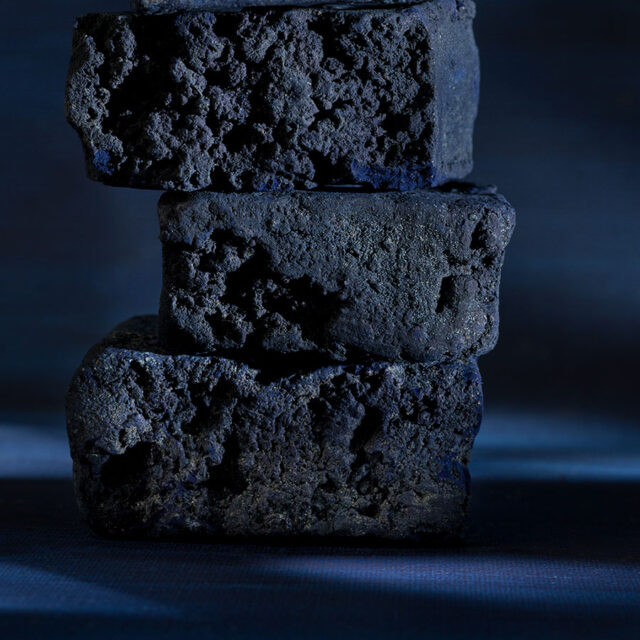
Woad dye WOAD WAS WIDELY USED AS A DYE IN EUROPE AS EARLY AS THE STONE AGE. Ancient Britons covered their bodies with woad to face the Roman legions and it is said that they struck fear into Julius Caesar himself. The first part of the woad-making process involved taking fresh leaves of the woad…
Tyrian Purple dye

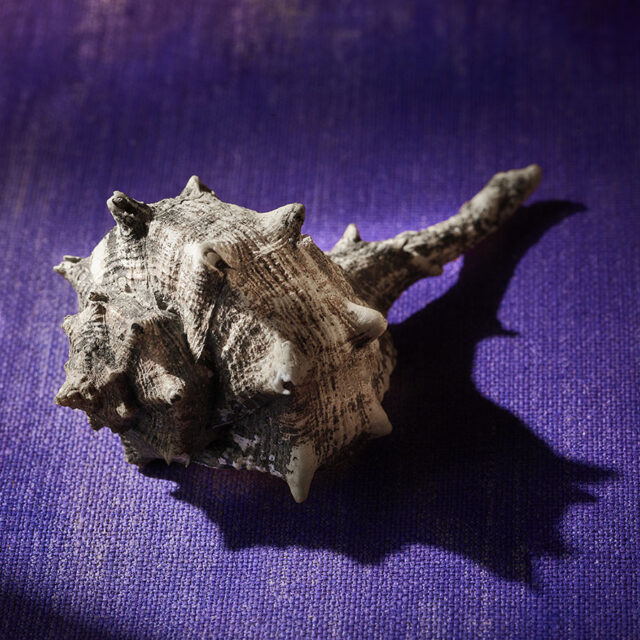
Tyrian Purple dye THIS PRESTIGIOUS PIGMENT COMES FROM A PREDATORY SEA SNAIL. Tyrian purple is extracted from Bolinus brandaris, a mollusc native to the ancient Phoenician city of Tyre (Phoenicia means ‘land of purple’) in what is now Lebanon. The production of Tyrian purple goes back at least 3500 years and Greek legends tell us…

Realgar pigment

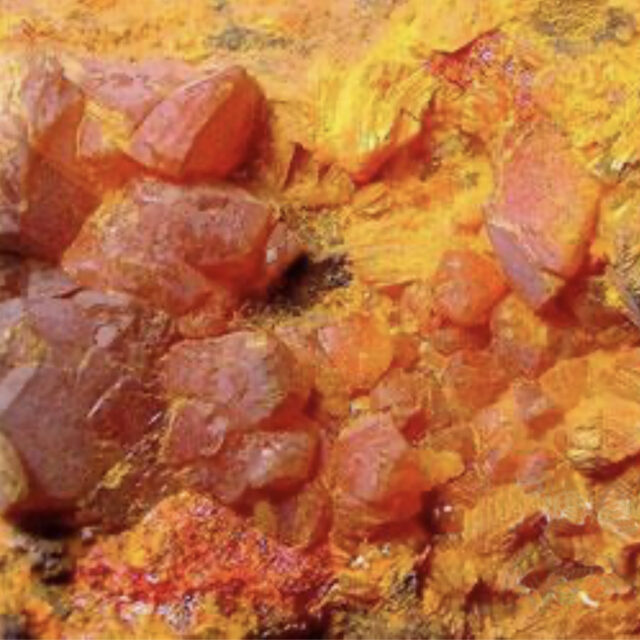
Realgar pigment THIS PIGMENT IS AS DEADLY AS IT IS BEAUTIFUL. Known as the ‘ruby of arsenic’, realgar is extremely toxic. The red crystals of the mineral yield a rich orange pigment, but it is made of arsenic disulphide. Realgar is found in the same deposits as the yellow, arsenic-containing mineral orpiment. It mostly occurs…

Indigo dye

Indigo FOR MANY CENTURIES, INDIGO WAS THE MOST IMPORTANT DYE IN THE WORLD. Indigo has been used either as a pigment or a dye from very early times in India and in Egypt. It is referred to under the name of indicum by Pliny; later on the Byzantine writers called it azorium Romanum. ‘Indigo bagadel’…

Orpiment pigment

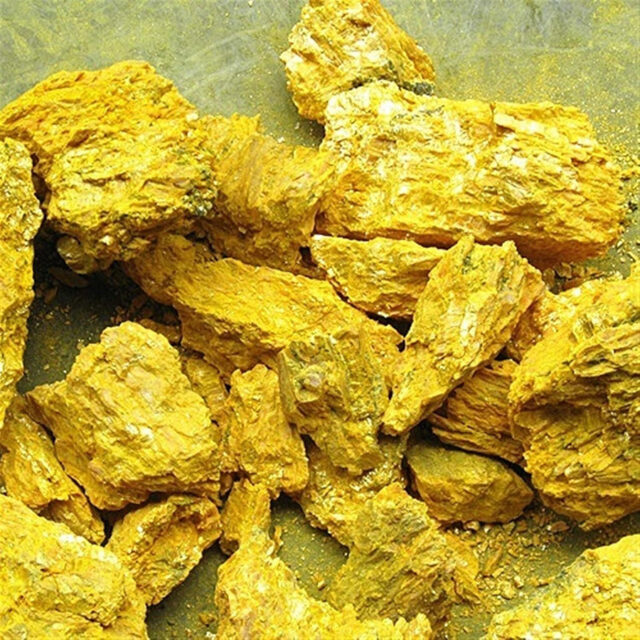
Orpiment pigment ORPIMENT WAS THE CLOSEST IMITATION TO GOLD. Its Latin name is auripigmentum (gold paint) and in the classical world, it was believed that this resemblance had deeper alchemical roots. It was even said that the Roman emperor Caligula could extract gold from the mineral. In fact, orpiment carries a much more dangerous substance.…

Lamp Black pigment

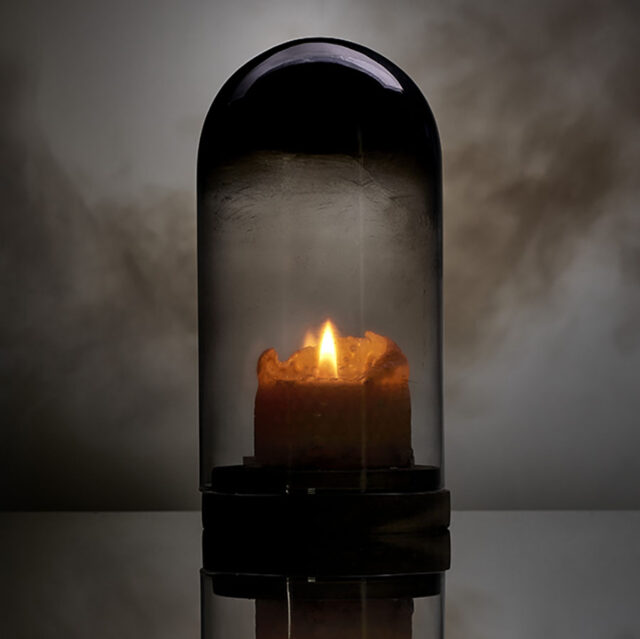
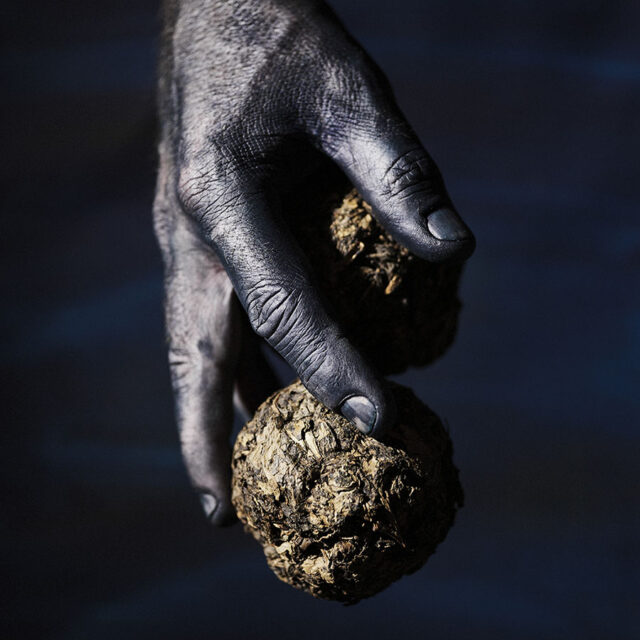
Lamp Black pigment LAMP BLACK HAS BEEN AROUND SINCE PREHISTORIC TIMES. This lightfast, permanent, opaque blue-black pigment was used by the Ancient Egyptians more than 4000 years ago for painting tombs and murals. They preferred its fineness and deep black colour to the grey-black of charcoal. As you’d expect from its name, lamp black is…

Rules for Permanent Painting

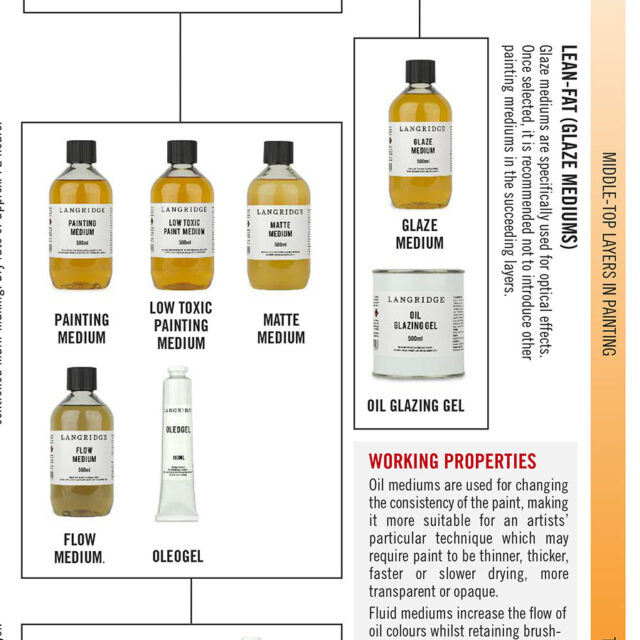
Rules for Permanent Painting Underpainting, Mediums, and Varnishing Oil painting is a dialogue between intention and material. Each decision; every pigment chosen, every medium applied, shapes not only the immediate appearance but the long-term life of the work. Understanding how paint behaves beneath the surface is as crucial as the brushwork itself, and nowhere is…

Colour Mixing for contemporary artists

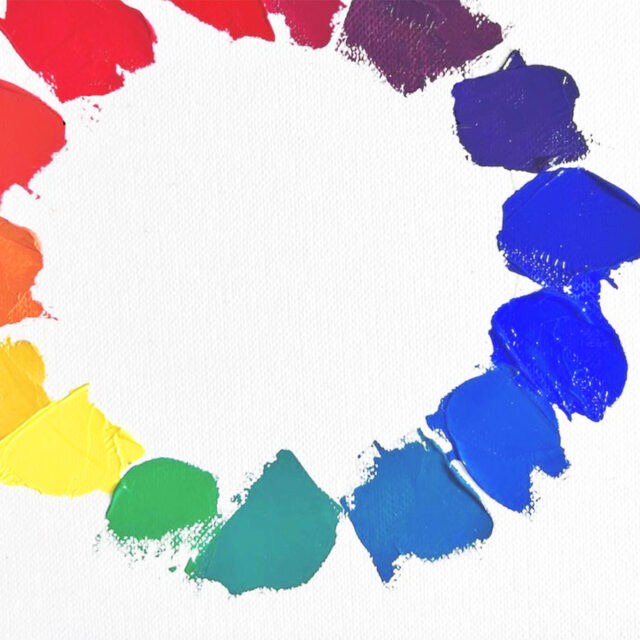
Colour Mixing – a guide for contemporary artists The artists’ palette of colours is a rainbow, but unlike its sky-borne counterpart, our colours are constructed from pigments, fine grains of colour that must be bound together in order to become paint. The physical nature of pigments often interferes with the purity of perceived colour, but…

8 new oil colours

More colours in Langridge oil paint This book has looked at the origins of historical and contemporary pigments, but pigments are hardly ever used in their raw form. To be usefully employed as a colour, billions of individual grains of pigment must be glued together with a binder. This is, in essence, how you make paint. In…