

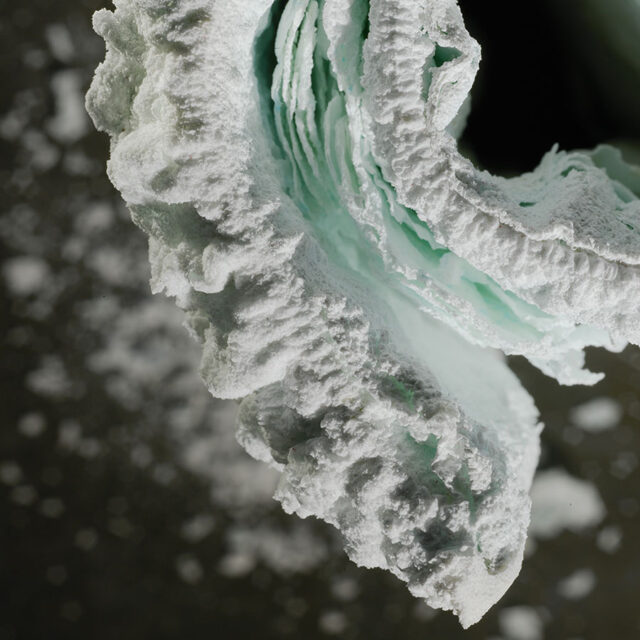
Lead White pigment

Lead White pigment THIS IS THE GREATEST – AND THE CRUELLEST – OF THE WHITES. Lead white has been in continuous production for at least 2000 years. It is basic lead carbonate, formed by the reaction of lead with vapours of vinegar (acetic acid) and carbon dioxide. The manufacturing process in the 19th century was relatively…
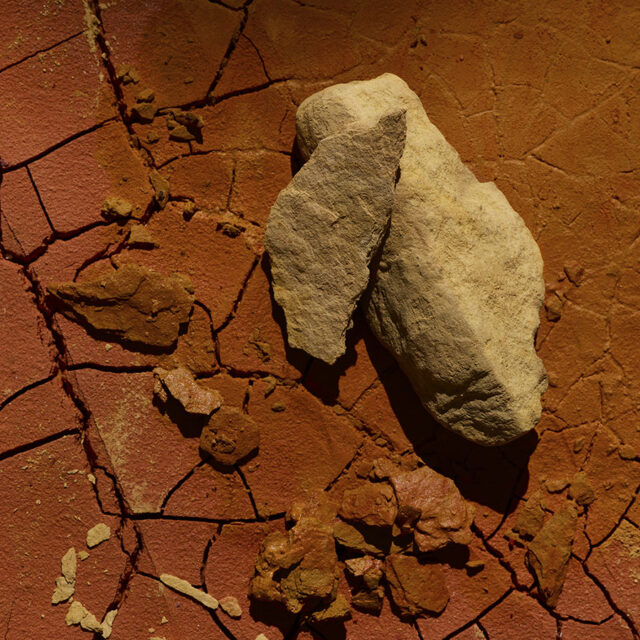
Ochre pigment

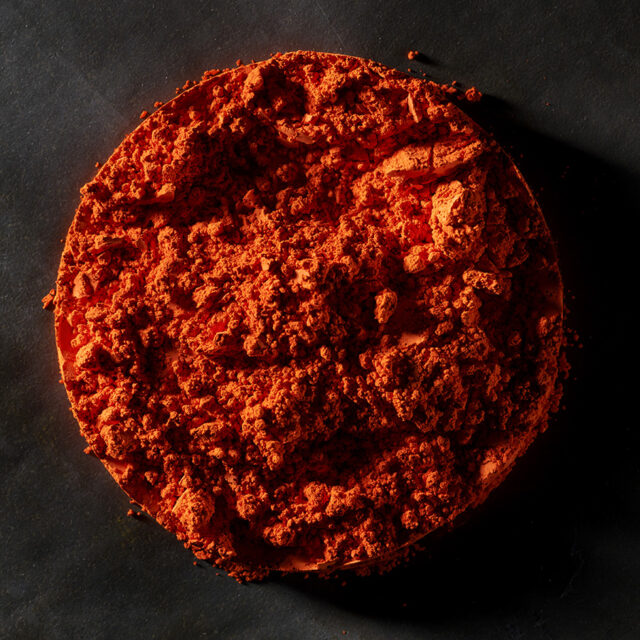
Ochre pigment The oldest surviving human artworks are vivid depictions of animals, humans, and spiritual motifs, created using ochres. Archaeological evidence suggests their use as far back as 250,000 years ago, making ochres the earliest known colourants employed by our species. Ancient ochre artworks appear across the globe—from early sites in India and Australia to…

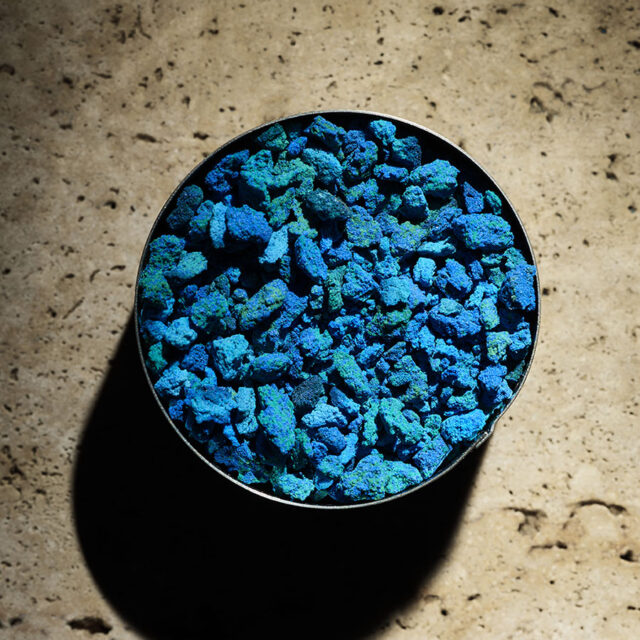
Egyptian Blue pigment

Egyptian Blue pigment THIS WAS THE FIRST SYNTHETICALLY PRODUCED COLOUR. Invented at around the same time as the Great Pyramids were being built, Egyptian blue’s creation dates back about 5000 years. The Ancient Egyptians believed blue was the colour
of the heavens and because of the rarity of naturally occurring blue minerals like azurite and lapis…

Bone White pigment

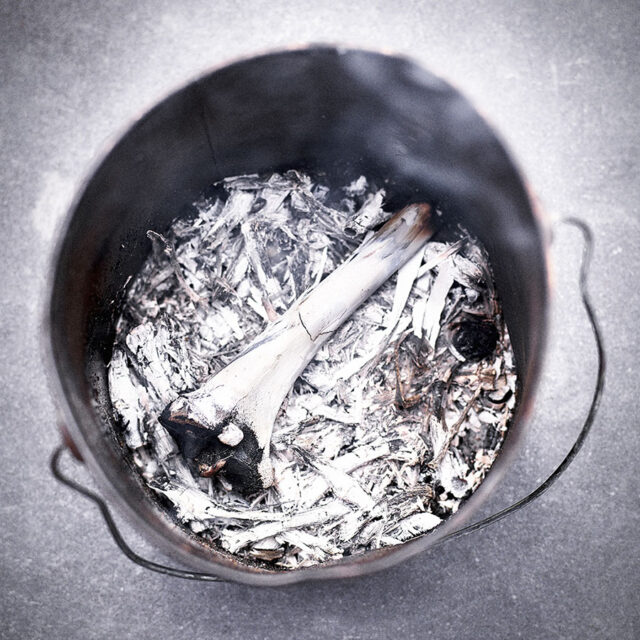
Bone White pigment THE CREATION OF BONE WHITE IS AS LITERAL AS IT SOUNDS. Bone white was made by burning bones in open fires until all the organic material burned away and the bone was turned to ash. There is evidence of bone white’s use since Neolithic times, making it one of the very first…

Malachite Green pigment

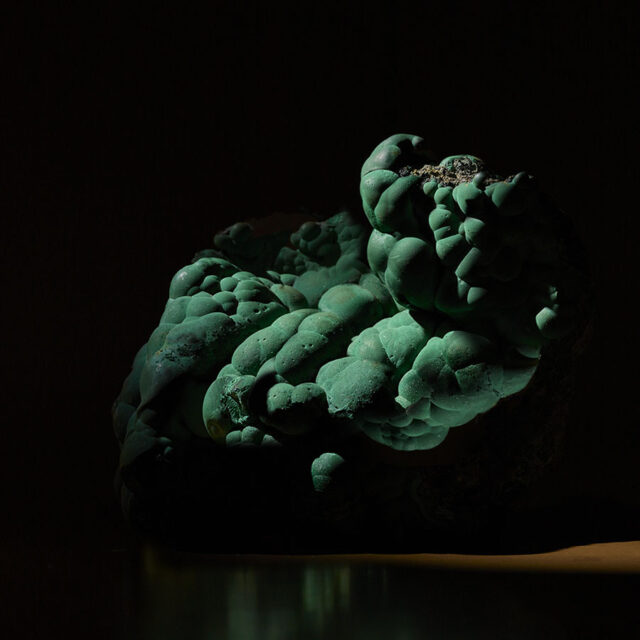
Malachite Green pigment Green Verditer – Green Bice – Mountain Green – Green Carbonate Of Copper – Vert De Montagne – Berg-GrüN – MalachitgrüN History, chemistry and application This green copper mineral was employed as a paint by the ancients. It occurs in many European, Asiatic, African, and American localities. The mines at Ekaterinburg and…

Bone Black pigment

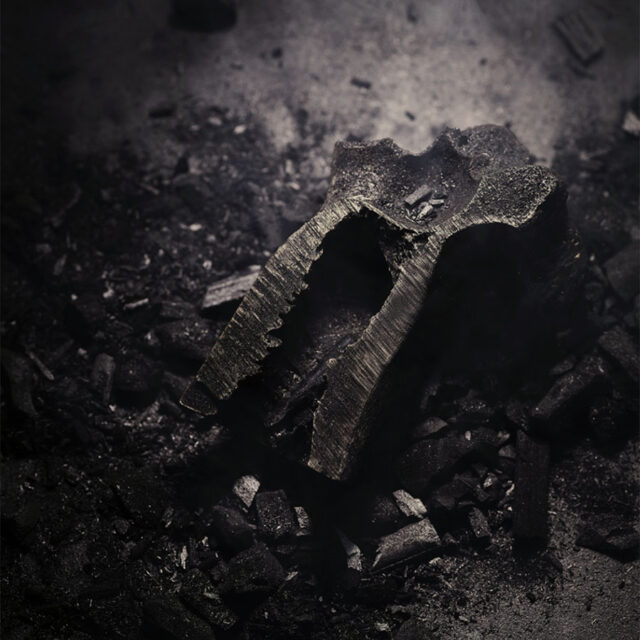
Bone Black pigment BURNING BONES TO CREATE PIGMENTS IS AN ANCIENT PRACTICE. Like bone white, bone black is made by putting fragments of animal bones into a crucible and surrounding them with blazing coals. However, to prevent the bone turning to ash, the vessel is covered to stop air from getting in. Exposure to intense…

Red Lead pigment

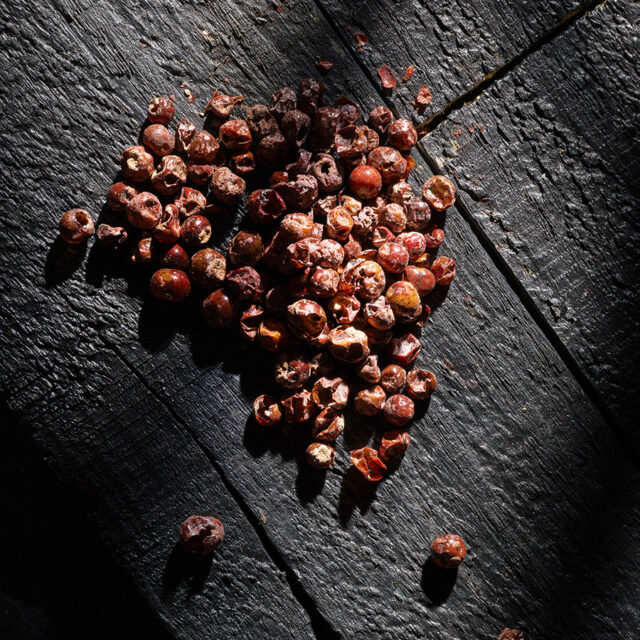
Red Lead pigment Red lead was used extensively in medieval manuscripts to paint small illuminations. The Latin word for red lead is minium, and miniare means “to colour with minium”. Artists who painted with red lead were known as miniator, which is the source of our English word miniature. The term minium is now confined…

Woad dye

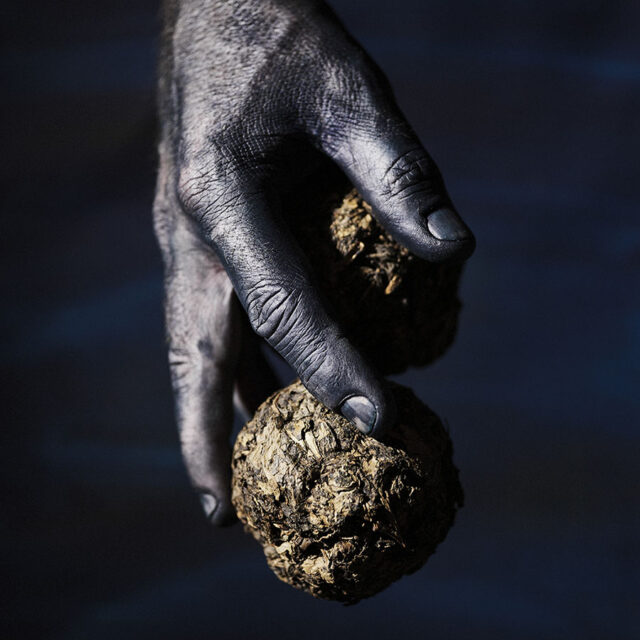
Woad dye WOAD WAS WIDELY USED AS A DYE IN EUROPE AS EARLY AS THE STONE AGE. Ancient Britons covered their bodies with woad to face the Roman legions and it is said that they struck fear into Julius Caesar himself. The first part of the woad-making process involved taking fresh leaves of the woad…

Kermes

Kermes Kermes (Kermes vermilio), is a wingless scale insect that produces a deep red dye used extensively throughout Europe prior to the importation of cochineal from the Americas. The insect inhabits the branches of the kermes oak (Quercus coccifera) native to southern and eastern Europe. The crimson pigment is derived exclusively from the resin-encrusted female…

Azurite pigment

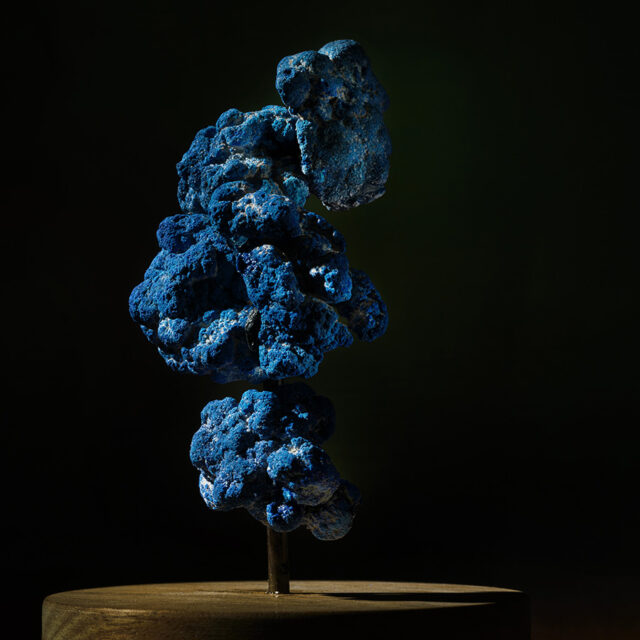
Azurite pigment Purchasers of Azurite had to be extremely wary. It is visually similar to lapis lazuli—an ore of vastly greater value—that buyers could easily be deceived. A conscientious apothecary or colourman would test a suspected sample by heating it until it was red-hot. Azurite decomposes on heating, losing carbon dioxide and water to form…