

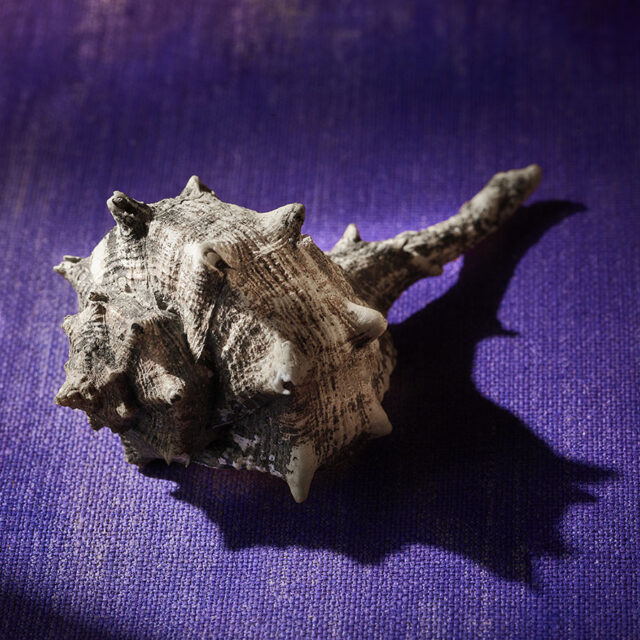
Tyrian Purple dye

Tyrian Purple dye THIS PRESTIGIOUS PIGMENT COMES FROM A PREDATORY SEA SNAIL. Tyrian purple is extracted from Bolinus brandaris, a mollusc native to the ancient Phoenician city of Tyre (Phoenicia means ‘land of purple’) in what is now Lebanon. The production of Tyrian purple goes back at least 3500 years and Greek legends tell us…
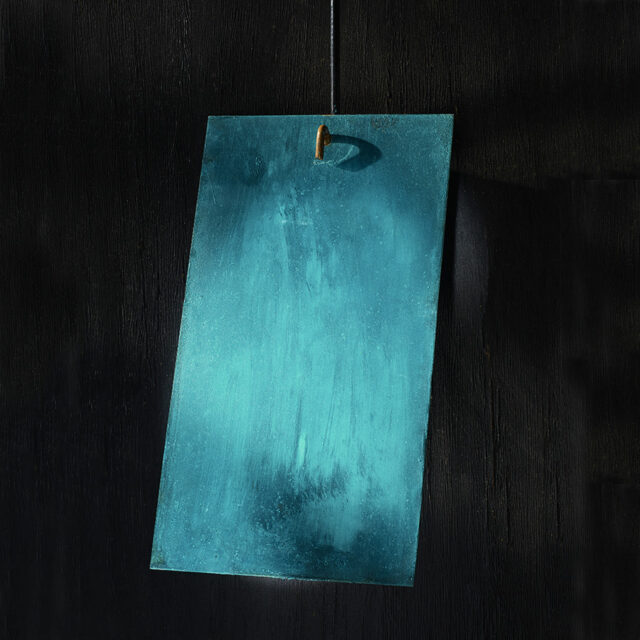
Verdigris pigment

Verdigris pigment This blue-green pigment is formed by corrosion. Sheets of copper are suspended over a bath of vinegar, wine, or sour grape must, and the acetic acid vapours react with the metal to form a crust of copper acetates. These corrosion products are periodically scraped off, re-exposed to the vapours, and harvested again, producing…

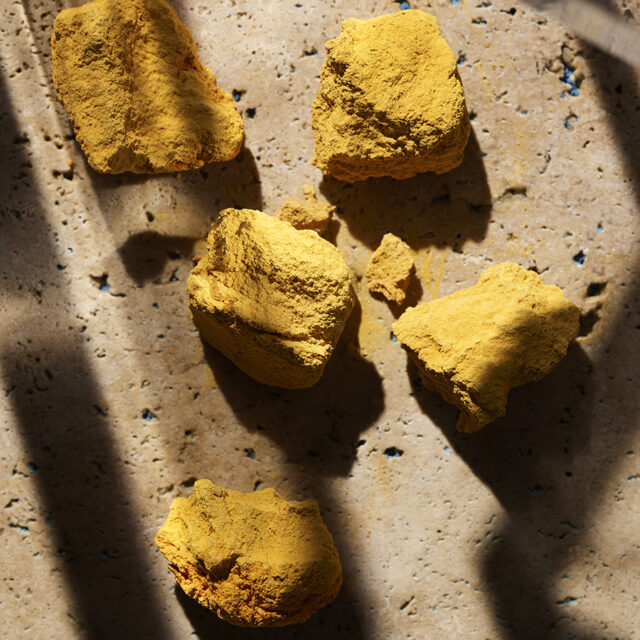
Naples Yellow pigment

Red Lead pigment Naples Yellow, historically attributed—without evidence—to Mount Vesuvius, is a pigment whose true origins lie in early metallurgical experimentation rather than in volcanic deposits. While yellowish minerals such as orpiment and sulphur compounds do occur in volcanic regions, no verifiable trace of lead antimonate has ever been found on Vesuvius. The earliest known…

Realgar pigment

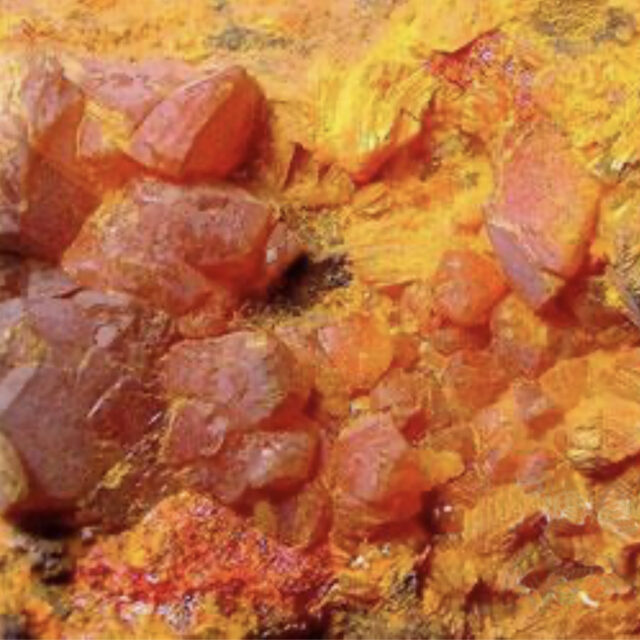
Realgar pigment THIS PIGMENT IS AS DEADLY AS IT IS BEAUTIFUL. Known as the ‘ruby of arsenic’, realgar is extremely toxic. The red crystals of the mineral yield a rich orange pigment, but it is made of arsenic disulphide. Realgar is found in the same deposits as the yellow, arsenic-containing mineral orpiment. It mostly occurs…

Indigo dye

Indigo FOR MANY CENTURIES, INDIGO WAS THE MOST IMPORTANT DYE IN THE WORLD. Indigo has been used either as a pigment or a dye from very early times in India and in Egypt. It is referred to under the name of indicum by Pliny; later on the Byzantine writers called it azorium Romanum. ‘Indigo bagadel’…

Orpiment pigment

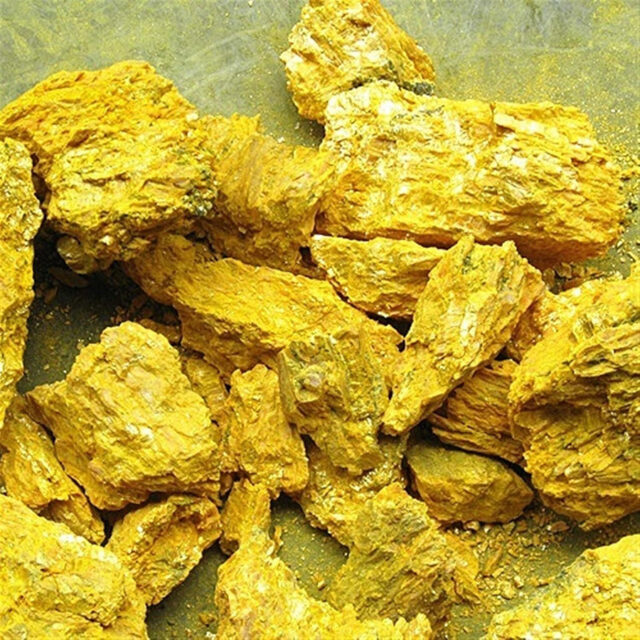
Orpiment pigment ORPIMENT WAS THE CLOSEST IMITATION TO GOLD. Its Latin name is auripigmentum (gold paint) and in the classical world, it was believed that this resemblance had deeper alchemical roots. It was even said that the Roman emperor Caligula could extract gold from the mineral. In fact, orpiment carries a much more dangerous substance.…

Lamp Black pigment

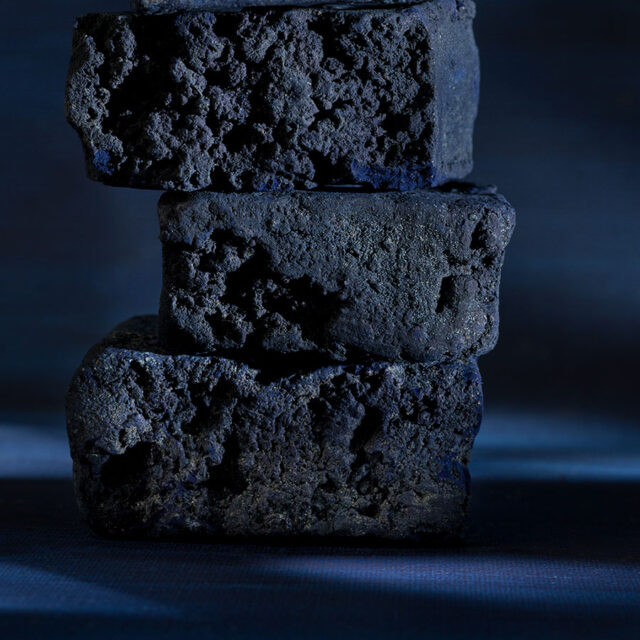
Lamp Black pigment LAMP BLACK HAS BEEN AROUND SINCE PREHISTORIC TIMES. This lightfast, permanent, opaque blue-black pigment was used by the Ancient Egyptians more than 4000 years ago for painting tombs and murals. They preferred its fineness and deep black colour to the grey-black of charcoal. As you’d expect from its name, lamp black is…

Cochineal

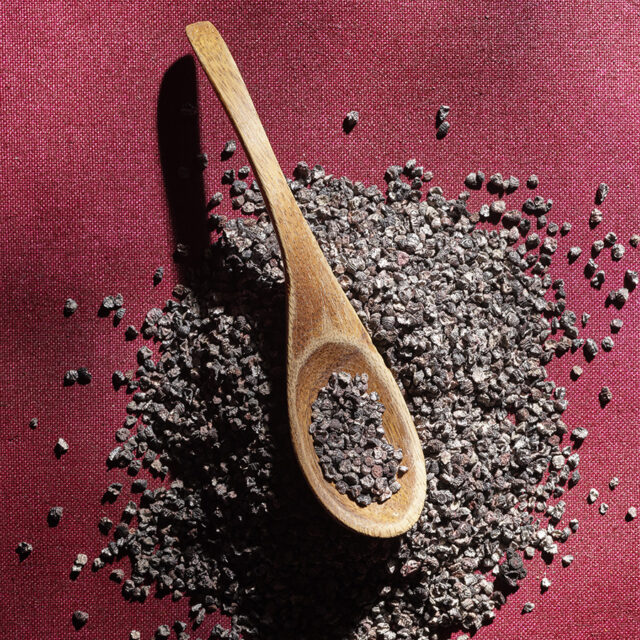
Cochineal Cochineal is a natural red pigment derived from the dried bodies of the female Dactylopius coccus insect, which lives on nopal (Opuntia) cacti, primarily in Mexico and South America. The pigment’s colour comes from carminic acid, a glycosylated anthraquinone compound, which serves as a chemical defense against predators. Its chemical formula is approximately C₂₂H₂₀O₁₃,…

Smalt pigment

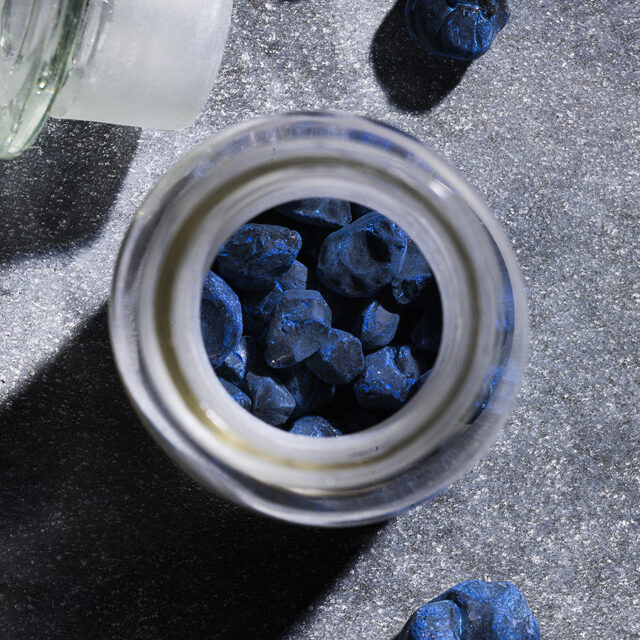
Smalt pigment The name “smalt” derives from the Italian term smaltere, meaning “to melt,” reflecting the pigment’s origin as a ground cobalt-containing glass. Like Egyptian blue, smalt is produced by heating a mixture of silica (SiO₂), lime (CaO), and an alkali flux—traditionally potash (K₂CO₃). Its vivid blue colour arises from the incorporation of cobalt oxide…

Potters Pink pigment

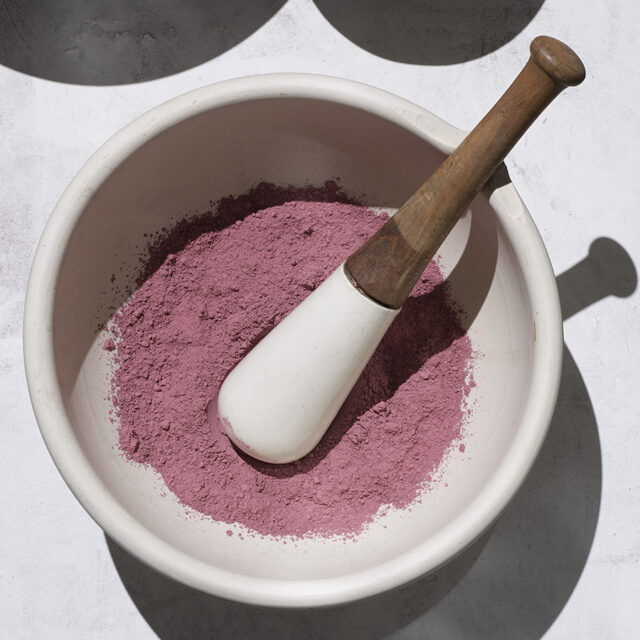
Potters Pink pigment Also known historically as tin pink, nelkenfarbe (carnation colour), or simply pinkcolour, Potter’s Pink emerged in the early 19th century as a reliable pigment for ceramics and, subsequently, for artists’ media. Unlike organic lake pigments such as madder, which suffered from fugitive colour and poor lightfastness, Potter’s Pink is an inorganic, metal-oxide-based…