Red Lead pigment

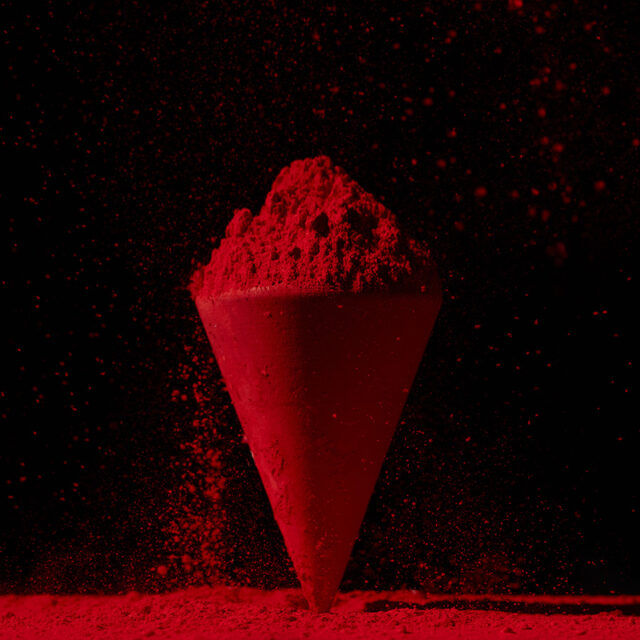
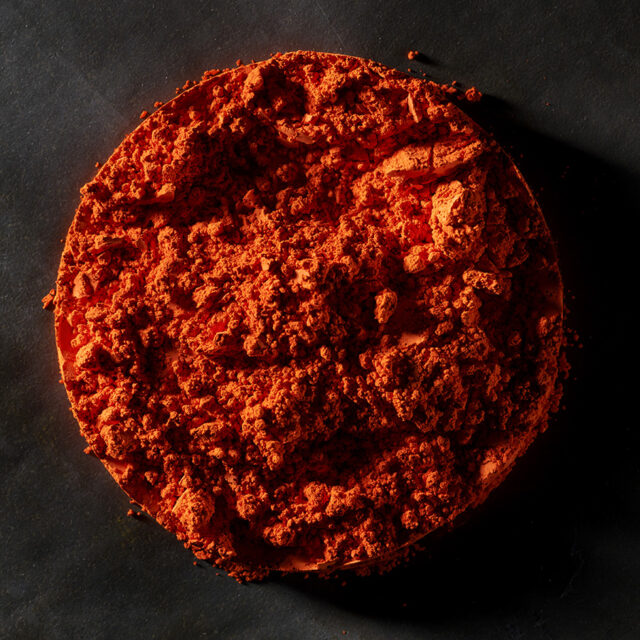
Red Lead pigment Red lead was used extensively in medieval manuscripts to paint small illuminations. The Latin word for red lead is minium, and miniare means “to colour with minium”. Artists who painted with red lead were known as miniator, which is the source of our English word miniature. The term minium is now confined…
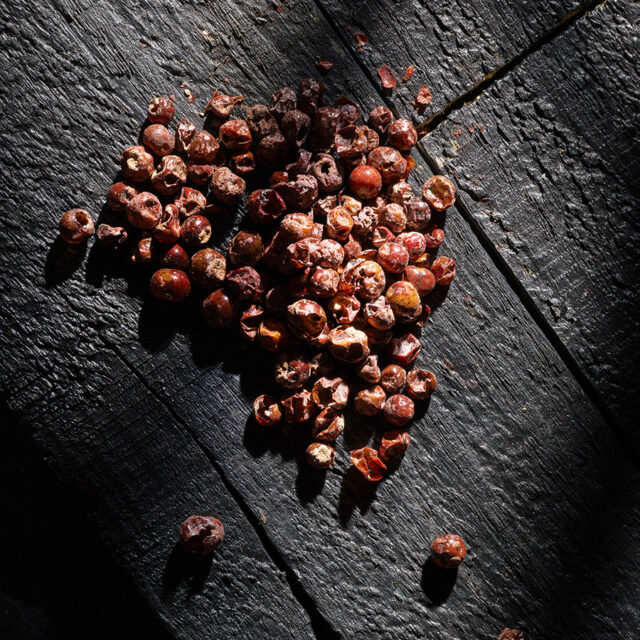
Kermes

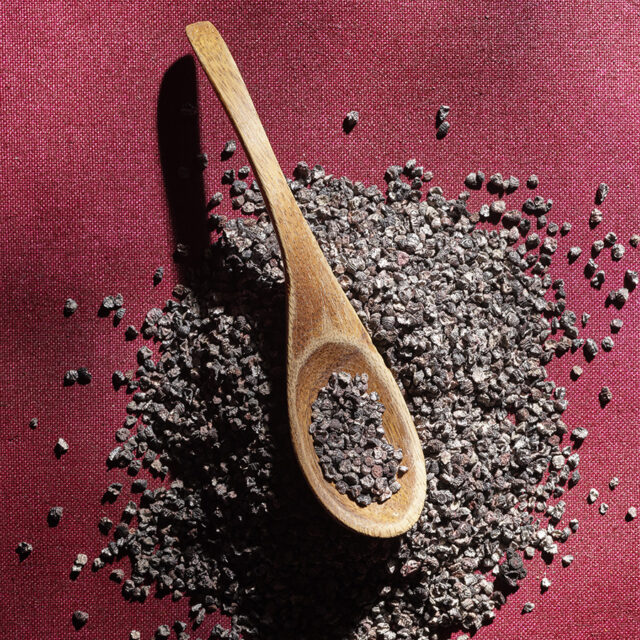
Kermes Kermes (Kermes vermilio), is a wingless scale insect that produces a deep red dye used extensively throughout Europe prior to the importation of cochineal from the Americas. The insect inhabits the branches of the kermes oak (Quercus coccifera) native to southern and eastern Europe. The crimson pigment is derived exclusively from the resin-encrusted female…

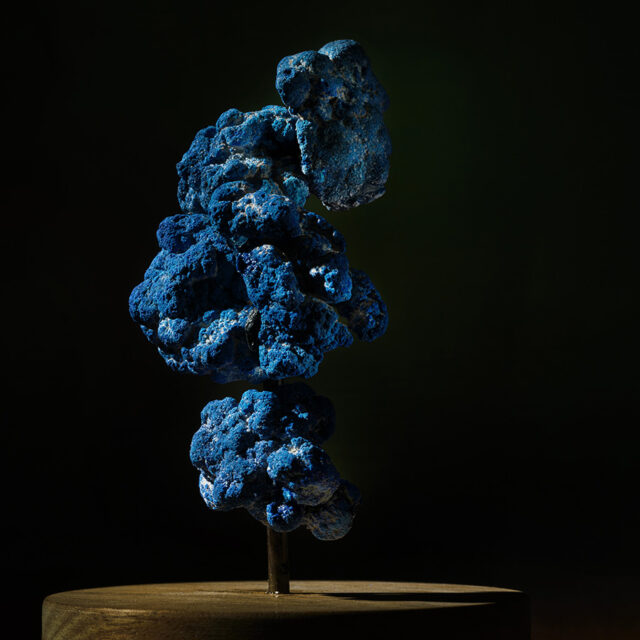
Azurite pigment

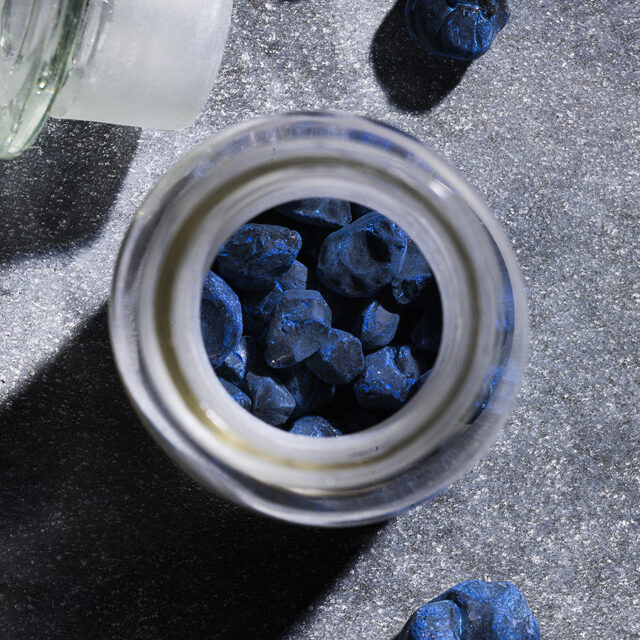
Azurite pigment Purchasers of Azurite had to be extremely wary. It is visually similar to lapis lazuli—an ore of vastly greater value—that buyers could easily be deceived. A conscientious apothecary or colourman would test a suspected sample by heating it until it was red-hot. Azurite decomposes on heating, losing carbon dioxide and water to form…

Verdigris pigment

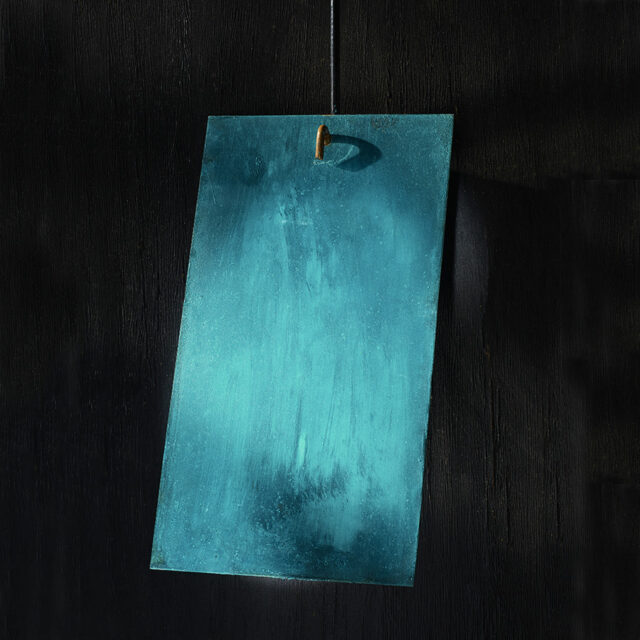
Verdigris pigment This blue-green pigment is formed by corrosion. Sheets of copper are suspended over a bath of vinegar, wine, or sour grape must, and the acetic acid vapours react with the metal to form a crust of copper acetates. These corrosion products are periodically scraped off, re-exposed to the vapours, and harvested again, producing…

Naples Yellow pigment

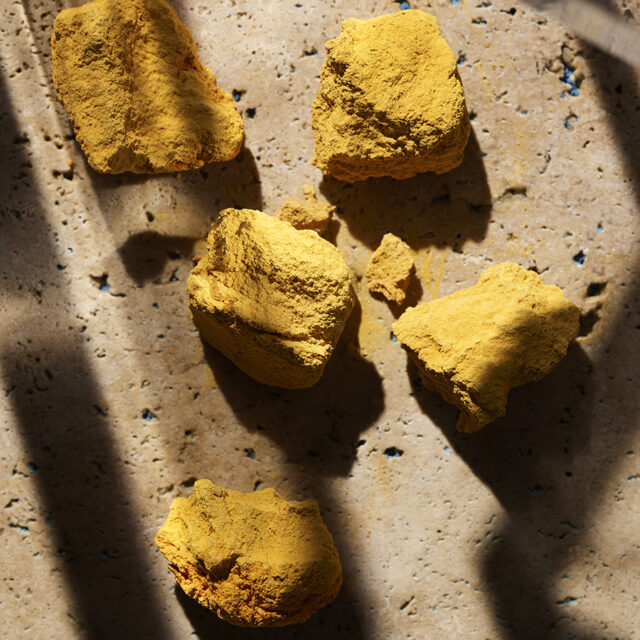
Red Lead pigment Naples Yellow, historically attributed—without evidence—to Mount Vesuvius, is a pigment whose true origins lie in early metallurgical experimentation rather than in volcanic deposits. While yellowish minerals such as orpiment and sulphur compounds do occur in volcanic regions, no verifiable trace of lead antimonate has ever been found on Vesuvius. The earliest known…

Cochineal

Cochineal Cochineal is a natural red pigment derived from the dried bodies of the female Dactylopius coccus insect, which lives on nopal (Opuntia) cacti, primarily in Mexico and South America. The pigment’s colour comes from carminic acid, a glycosylated anthraquinone compound, which serves as a chemical defense against predators. Its chemical formula is approximately C₂₂H₂₀O₁₃,…

Smalt pigment

Smalt pigment The name “smalt” derives from the Italian term smaltere, meaning “to melt,” reflecting the pigment’s origin as a ground cobalt-containing glass. Like Egyptian blue, smalt is produced by heating a mixture of silica (SiO₂), lime (CaO), and an alkali flux—traditionally potash (K₂CO₃). Its vivid blue colour arises from the incorporation of cobalt oxide…

Potters Pink pigment

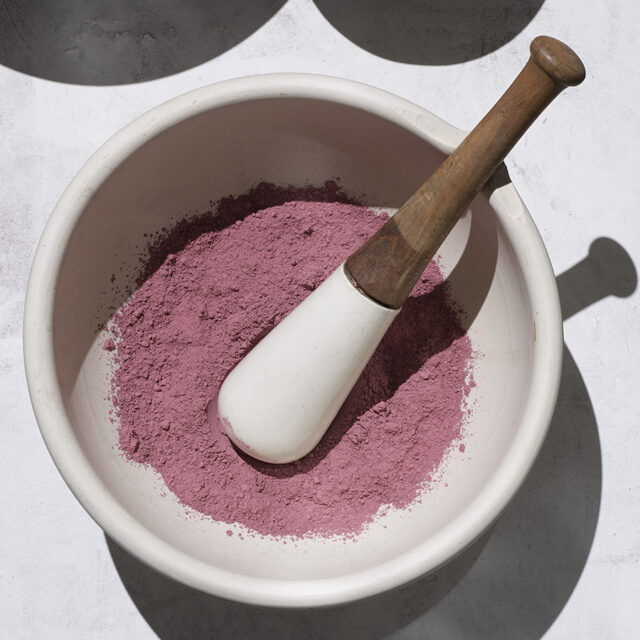
Potters Pink pigment Also known historically as tin pink, nelkenfarbe (carnation colour), or simply pinkcolour, Potter’s Pink emerged in the early 19th century as a reliable pigment for ceramics and, subsequently, for artists’ media. Unlike organic lake pigments such as madder, which suffered from fugitive colour and poor lightfastness, Potter’s Pink is an inorganic, metal-oxide-based…

Emerald Green pigment

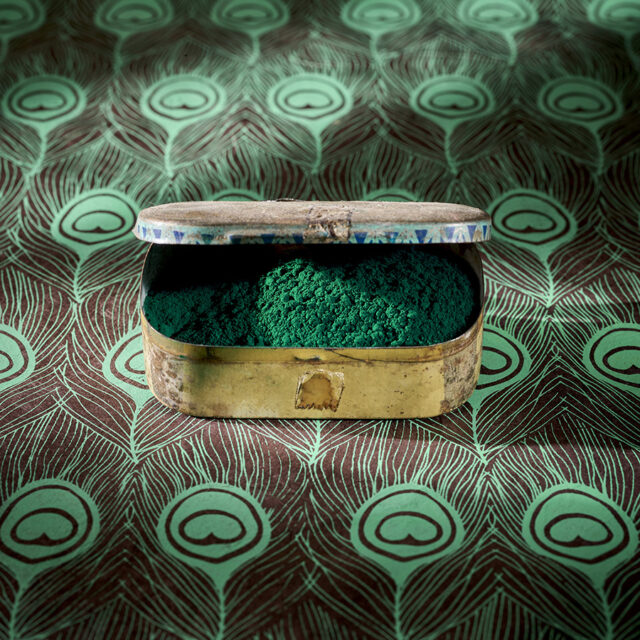
Emerald Green pigment This deadly green pigment contains copper and arsenic. Discovered in 1775 and named after its inventor, the Swedish chemist Carl Wilhelm Scheele, Scheele’s green is copper hydrogen arsenite, with the approximate chemical composition CuHAsO₃. It is an opaque yellow-green pigment developed in an attempt to replace the historic copper-based greens of verdigris…

Pyrrole Red pigment

Pyrrole Red pigment Pyrrole Red is a synthetic organic pigment belonging to the diketo-pyrrolo-pyrrole (DPP) family, developed in the late 20th century to provide an opaque, non-toxic, highly durable alternative to traditional inorganic reds such as cadmium, cinnabar, and red lead. Its molecular structure, a conjugated heterocyclic system, produces a vivid, pure red with exceptional…