Orpiment pigment

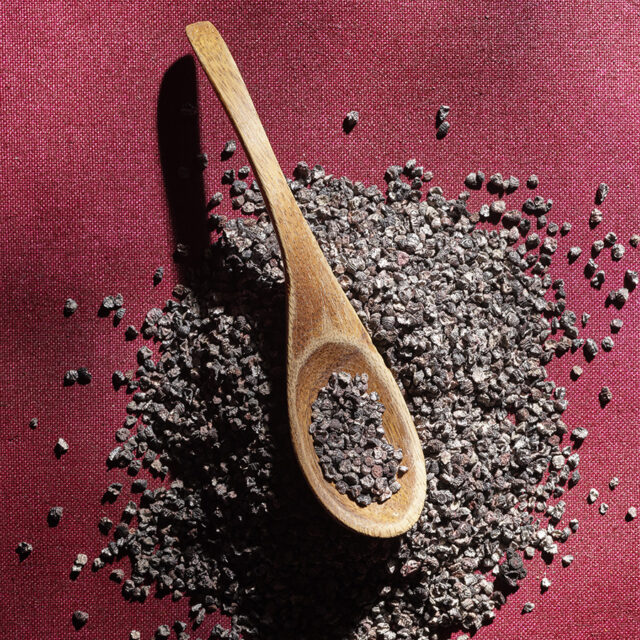
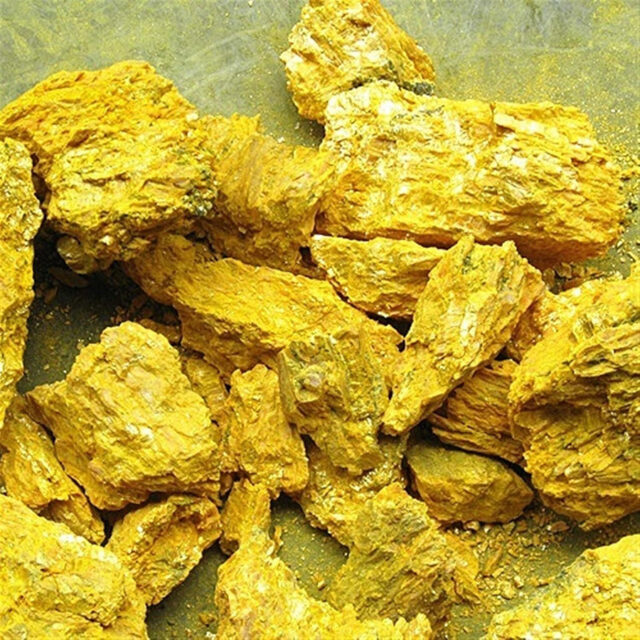
Orpiment pigment ORPIMENT WAS THE CLOSEST IMITATION TO GOLD. Its Latin name is auripigmentum (gold paint) and in the classical world, it was believed that this resemblance had deeper alchemical roots. It was even said that the Roman emperor Caligula could extract gold from the mineral. In fact, orpiment carries a much more dangerous substance.…
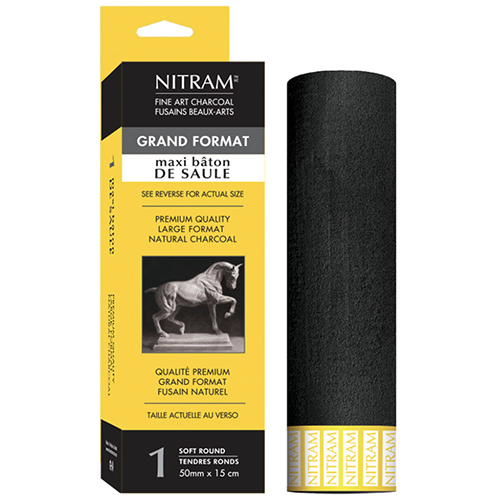
Maxi Bâton de Saule

Maxi Bâton de Saule For the artist who works in the large Sold individually Diameter: 50 mm Height: 152 mm Product code: C700303 Safety Data Sheet Based on available information, this material is not classified as hazardous according to criteria of Safe Work Australia. Download full SDS

Lamp Black pigment

Lamp Black pigment LAMP BLACK HAS BEEN AROUND SINCE PREHISTORIC TIMES. This lightfast, permanent, opaque blue-black pigment was used by the Ancient Egyptians more than 4000 years ago for painting tombs and murals. They preferred its fineness and deep black colour to the grey-black of charcoal. As you’d expect from its name, lamp black is…

Cochineal

Cochineal Cochineal is a natural red pigment derived from the dried bodies of the female Dactylopius coccus insect, which lives on nopal (Opuntia) cacti, primarily in Mexico and South America. The pigment’s colour comes from carminic acid, a glycosylated anthraquinone compound, which serves as a chemical defense against predators. Its chemical formula is approximately C₂₂H₂₀O₁₃,…

Bloc De Saule

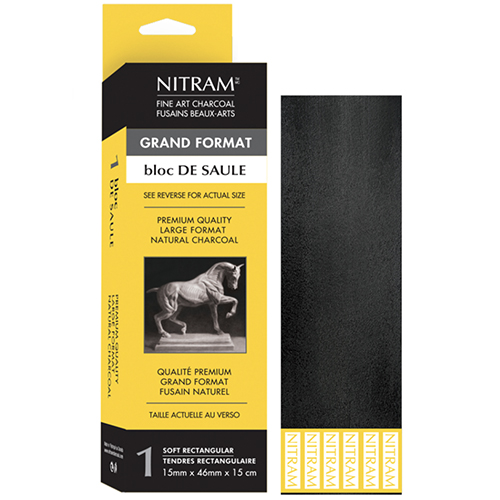
Bloc De Saule For the artist who works in the large Sold individually Length: 15 mm Width: 46 mm Height: 152 mm Product code: C700305 Safety Data Sheet Based on available information, this material is not classified as hazardous according to criteria of Safe Work Australia. Download full SDS

Smalt pigment

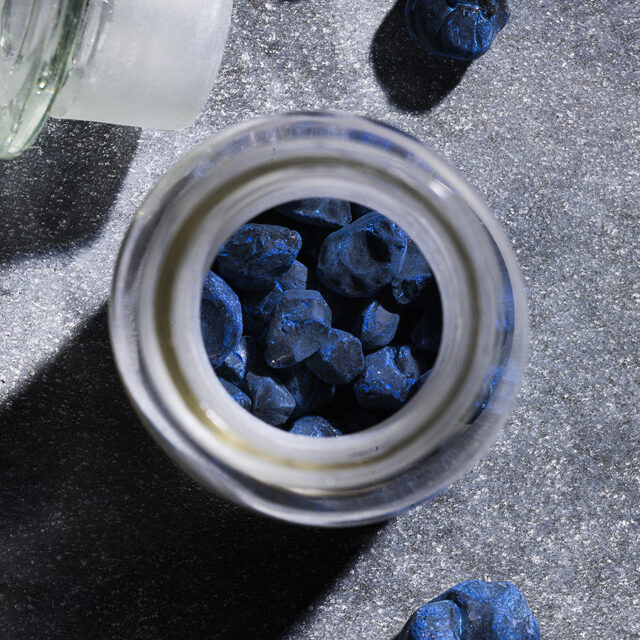
Smalt pigment The name “smalt” derives from the Italian term smaltere, meaning “to melt,” reflecting the pigment’s origin as a ground cobalt-containing glass. Like Egyptian blue, smalt is produced by heating a mixture of silica (SiO₂), lime (CaO), and an alkali flux—traditionally potash (K₂CO₃). Its vivid blue colour arises from the incorporation of cobalt oxide…

Stylus

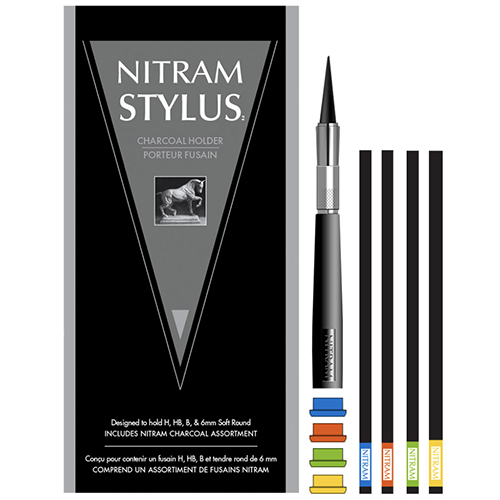
Nitram Stylus Designed to Hold Nitram H, HB, B & 6mm Soft Round Charcoal Sticks. Perfect for all forms of charcoal drawing and sketching. Each Nitram Stylus package contains: Nitram Assortment (1 x H, HB, B, 6mm) Set of 4 colour coded end caps to identify which charcoal is in the holder Product code: C700334…

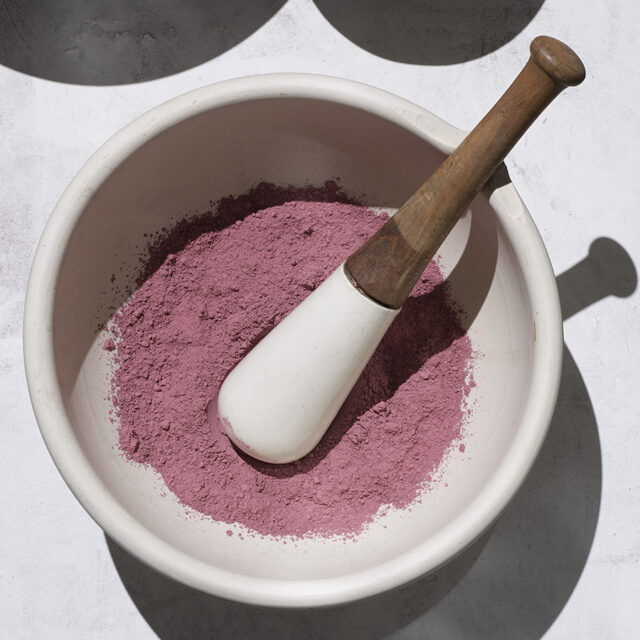
Potters Pink pigment

Potters Pink pigment Also known historically as tin pink, nelkenfarbe (carnation colour), or simply pinkcolour, Potter’s Pink emerged in the early 19th century as a reliable pigment for ceramics and, subsequently, for artists’ media. Unlike organic lake pigments such as madder, which suffered from fugitive colour and poor lightfastness, Potter’s Pink is an inorganic, metal-oxide-based…

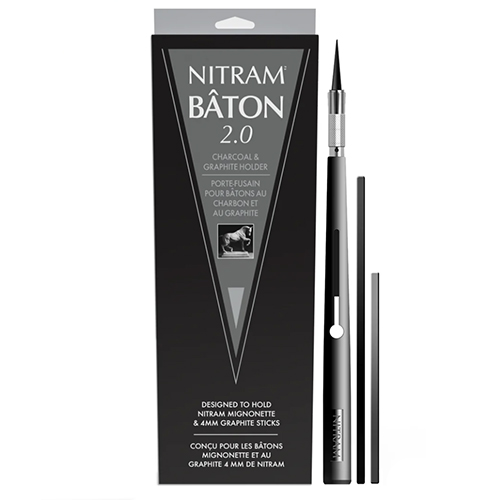
Bâton 2.0

Bâton 2.0 Charcoal & Graphite Holder Designed to hold Nitram Mignonette & 4mm graphite sticks This well made, functional charcoal and graphite holder is ideal for all forms of drawing and sketching in the studio or plein aire. It’s 8” length provides greater reach and allows the artist to stand back from their work while…

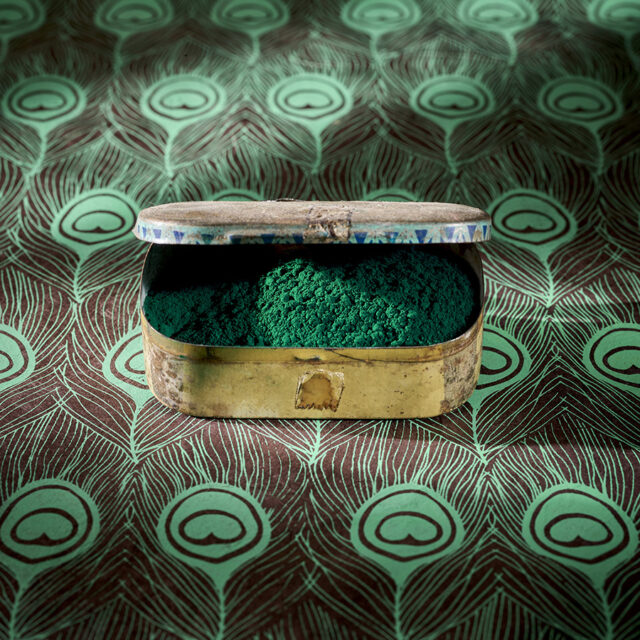
Emerald Green pigment

Emerald Green pigment This deadly green pigment contains copper and arsenic. Discovered in 1775 and named after its inventor, the Swedish chemist Carl Wilhelm Scheele, Scheele’s green is copper hydrogen arsenite, with the approximate chemical composition CuHAsO₃. It is an opaque yellow-green pigment developed in an attempt to replace the historic copper-based greens of verdigris…